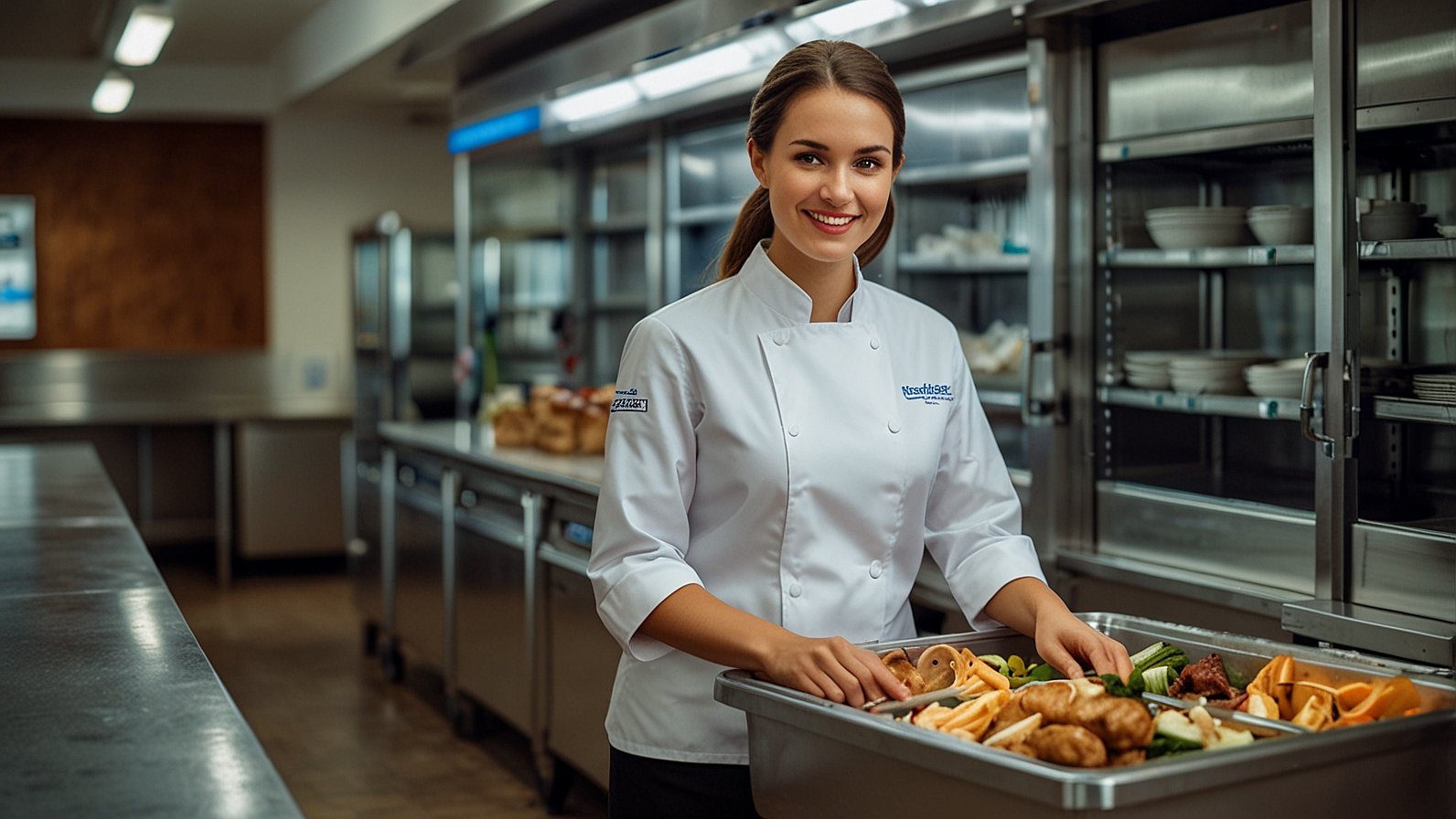
Have you ever dined at a bustling restaurant and marveled at how quickly a table is reset after guests leave? The dirty dishes vanish, the linen is changed, and the space is ready for the next party in a matter of moments. This minor miracle of logistics isn’t just about staff hustle—it’s often powered by a piece of essential, yet overlooked, equipment: the afruimwagen. Far more than a simple wagon, these specialized clearing trolleys are the backbone of efficient operations in foodservice and hospitality, designed to streamline workflow, uphold stringent hygiene standards, and keep the turnover of tables—and revenue—flowing smoothly.
What Exactly is an Afruimwagen?
Think of an afruimwagen not as a cart, but as a mobile clearing station. While the term might conjure images of generic transport wagons in other contexts, in the authoritative world of hospitality and institutional catering, an afruimwagen is a purpose-built tool. Its core mission is to efficiently collect soiled tableware, cutlery, glassware, and waste from guest areas and transport them to the dishwashing zone in a single, organized trip. This singular focus transforms a chaotic, multi-trip process into a streamlined operation.
Key Features That Define a Quality Afruimwagen
Not all trolleys are created equal. A professional-grade afruimwagen is engineered with specific features that directly address the demands of a high-paced environment.
- Durable Stainless Steel Construction: This is non-negotiable. Stainless steel is resistant to corrosion, easy to clean and disinfect, and can withstand the rigors of daily use and commercial dishwashing chemicals. It ensures longevity and maintains a professional appearance.
- Gastronorm (GN) Compatibility: This is a game-changer for operational fluidity. Many afruimwagen designs incorporate shelves or racks that hold standard Gastronorm containers (like GN 1/1 or GN 1/2). Staff can clear tables directly into these removable bins. At the dishwashing area, the entire bin can be lifted out and placed directly into the pot wash station or dish machine, minimizing handling of individual dirty items.
- Removable Bins and Sorting Systems: Beyond GN containers, models often feature separate, removable bins for waste, recyclables, or different types of glassware. This facilitates at-source sorting, saving time and improving sustainability efforts back-of-house.
- Maneuverability with Quality Wheels: A trolley that’s hard to push is a workflow killer. Look for models with large, rubberized castor wheels—preferably with a mix of swivel and fixed castors for optimal maneuverability and stability, even when fully loaded. Brakes are a crucial safety feature for use on sloped surfaces or when stationary.
- Thoughtful Accessories: Added features like cutlery drawers, hanging rails for cloths, plate slots for organized stacking, or integrated linen bags turn a simple cart into a comprehensive bussing station.
Core Features and Their Direct Benefits
| Feature | Direct Operational Benefit |
|---|---|
| Stainless Steel Body | Hygiene & Durability: Withstands sanitization, looks professional, lasts for years. |
| GN-Compatible Shelves | Efficiency: Enables bulk transport and direct transfer to washing stations. |
| Removable Sorting Bins | Organization & Speed: Allows for waste separation during clearing, reducing back-of-house sorting time. |
| Locking Castor Wheels | Safety & Control: Ensures smooth movement and secure parking, even on uneven floors. |
Where Afruimwagens Make a Critical Difference
The utility of these trolleys extends far beyond the classic restaurant dining room. Their design addresses universal needs across the service sector.
- Restaurants and Hotels: Here, speed is revenue. Afruimwagens allow servers to clear multiple tables in one go, dramatically reducing reset time. In hotel banquet halls, they are indispensable for quickly transforming a room from a dinner setting to a conference layout.
- Buffets and Self-Service Areas: These are high-traffic zones where plate turnover is constant. A strategically placed afruimwagen encourages guests to clear their own spots, while staff can use them for rapid, bulk collection of dishes, maintaining a tidy and inviting service area.
- Catering and Event Management: For off-site events, efficiency is everything. Afruimwagens act as mobile hubs, allowing staff to collect tableware from various points and consolidate it for washing, often in temporary kitchen setups. They keep the event space clean and simplify the pack-down process.
- Hospitals and Healthcare Facilities: In this context, hygiene is paramount. Afruimwagens used for patient meal services are designed for easy and thorough sanitization. They enable the safe, contained transport of used trays and dishes from wards back to the central kitchen, minimizing contamination risks.
The Tangible Operational Benefits: More Than Just a Cart
Investing in the right afruimwagen delivers a clear return on investment through tangible daily benefits.
- Boosted Staff Efficiency and Ergonomics: Instead of making countless trips back and forth with armfuls of plates, staff can clear systematically and transport more in one go. This reduces physical strain, saves time, and allows your team to focus on guest service rather than logistics.
- Enhanced Hygiene and Cleanliness: By containing soiled items in a dedicated, washable unit, you prevent cross-contamination between clean and dirty areas. Removable bins can be sanitized thoroughly, supporting strict HACCP and food safety protocols.
- Faster Table Turnover and Increased Revenue: This is the bottom-line impact. A quicker reset means you can seat the next party sooner. During peak hours, this operational smoothness directly translates to higher covers and improved revenue potential.
- Improved Organization and Workflow: An afruimwagen brings order to the clearing process. With designated spots for waste, glass, and plates, it reduces clutter in both the dining area and the dish pit, creating a calmer, more professional working environment.
3 Actionable Tips for Choosing the Right Afruimwagen Today
- Audit Your Space and Flow: Before buying, map your most common clearing routes. Measure doorways and aisle widths to ensure the trolley you choose maneuvers easily. Consider where it will be stored when not in use.
- Prioritize Your Primary Need: Is sorting waste the biggest challenge? Look for models with multiple bins. Is it about moving massive volumes of plates from a banquet hall? Focus on models with high weight capacity and sturdy plate racks. Match the features to your pain point.
- Think Long-Term on Materials: Don’t compromise on 304-grade stainless steel. While plastic or lighter metal options exist, they won’t stand up to daily commercial abuse or high-temperature dishwashers. The higher initial investment in stainless steel pays off in longevity and hygiene.
The humble afruimwagen is a perfect example of how the right tool transforms hard work into smart work. It’s an investment in your team’s well-being, your venue’s cleanliness, and your operation’s overall profitability. By choosing a model tailored to your specific needs, you’re not just buying a cart—you’re upgrading your entire service workflow.
Have you experienced the game-changing difference a professional clearing trolley can make? What’s the biggest challenge in your clearing routine? Share your thoughts and experiences below!
You May Also Like: Fine Dining on Halong Bay Luxury Cruises: A Culinary Journey on the Water
FAQs
Q: Can afruimwagens be used for anything other than clearing tables?
A: While their primary design is for hospitality clearing, their sturdy build makes them useful in other areas like kitchen prep (transporting ingredients) or as mobile storage in large institutions. However, for food safety, it’s best to dedicate trolleys used for soiled tableware to that purpose only.
Q: How many afruimwagens does my restaurant need?
A: A good rule of thumb is one trolley per 50-75 covers, or at least one per server section during peak times. It also depends on your layout; a large, spread-out venue may need more to reduce staff travel distance.
Q: Are they difficult to clean and maintain?
A: Not at all! Their stainless-steel construction is their biggest advantage. Most can be wiped down with a commercial disinfectant. Removable bins and shelves can be run through a dish machine. Regularly check and clean the wheels to ensure smooth movement.
Q: What’s the difference between an afruimwagen and a regular utility cart?
A: Afruimwagens are specialized for bussing. They feature specific elements like plate racks, waste bins, and gastronorm compatibility that a general utility cart lacks. A utility cart is a multi-purpose transporter; an afruimwagen is a precision tool for table clearing.
Q: Do I need special training for my staff to use them?
A: Only minimal training is needed—mainly on how to load it efficiently (heavier items at the bottom) and how to use the braking system. The best practice is to establish a standard operating procedure for clearing and resetting tables using the trolley.
Q: Can they handle heavy loads like stacked ceramic plates?
A: Yes, but always check the manufacturer’s specified weight capacity. Quality models are built to handle significant loads. Using them with their designed plate stacks or shelves distributes weight safely.
Q: Where is the best place to position them during service?
A: Place them in discreet but accessible locations, like near service stations or at the entrance to the kitchen. They should be easily reachable for staff but not obstructive or visible to guests enjoying their meal.