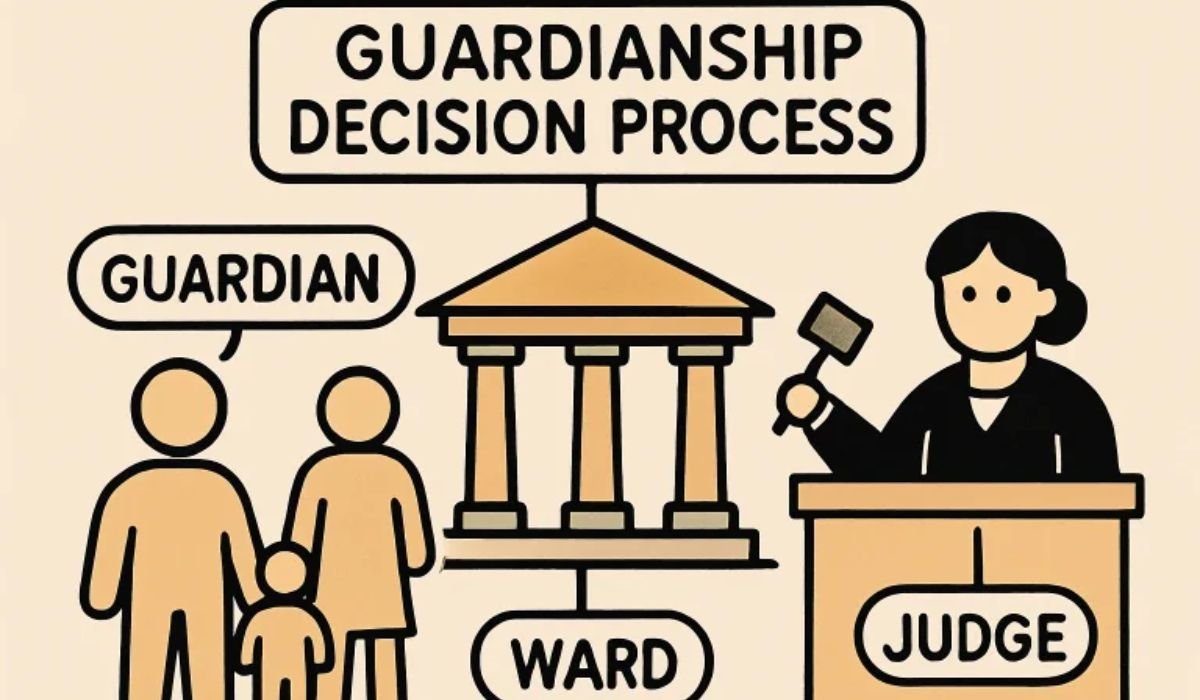
In Massachusetts, the guardianship process begins when a concerned party files a petition with the Probate and Family Court, asserting that an individual lacks the capacity to make safe or informed decisions. The court requires medical or clinical documentation to support the claim and notifies all interested parties. An investigation or evaluation may be ordered to assess the individual’s needs and circumstances. During a formal hearing, a judge reviews evidence and testimony before deciding whether guardianship is necessary. If granted, the court appoints a guardian and defines their authority, while maintaining ongoing oversight to protect the individual’s rights.
Understanding Guardianship in Massachusetts
Guardianship is a legal process that allows a court to appoint a responsible individual to act on behalf of someone unable to make essential decisions for themselves due to incapacitation. These decision-making limitations can result from factors such as age, illness, or mental incapacity. If you find yourself needing guidance on this process, a Massachusetts guardianship attorney can be an invaluable resource to ensure the proper steps are taken to protect your loved one’s well-being.
In Massachusetts, the Probate and Family Court bears responsibility for overseeing guardianship cases. The court’s primary focus is on the best interests of the person needing protection (the “ward”), making certain that processes are followed fairly and transparently. The goal of guardianship is to provide safe and stable support for individuals who are unable to advocate for themselves. Navigating this legal terrain can be complex; it’s crucial to be aware of the types of guardianship, procedural requirements, and the vital responsibilities a guardian undertakes.
Types of Guardianship
There are two main types of guardianship recognized in the Commonwealth:
- Guardianship of Minors: When parents are unable to care for their children due to reasons such as illness, disability, or incarceration, the court may appoint a guardian to ensure the child’s welfare and well-being. More information is available via the Massachusetts government website.
- Guardianship of Incapacitated Adults: Intended for adults who, due to conditions like dementia, developmental disability, or severe mental illness, are unable to make informed decisions. Further details can be found on the state’s official site.
READ ALSO: Isotonix Lawsuit: Pyramid Scheme Allegations Shake the Supplement Giant
Initiating the Guardianship Process
To begin the guardianship process, the interested party—or petitioner—must file a petition in the Probate and Family Court. Supporting documentation is critical. Typically, this includes a medical certificate or clinical team report that substantiates the individual’s incapacity. Once the petition is filed, the court schedules a hearing at which both evidence and testimony are presented to determine whether guardianship is necessary.
This process is designed to strike a balance between the need for protection and the individual’s right to autonomy. Any decision made by the court will only come after carefully weighing the evidence and considering the less restrictive alternatives available.
Role of the Guardian
Primary Responsibilities
An appointed guardian in Massachusetts assumes vital duties, including:
- Making healthcare decisions, such as consenting to medical treatment or coordinating services.
- Overseeing and arranging safe and appropriate living accommodations for the ward.
- Managing financial matters in cases where guardianship overlaps with conservatorship responsibilities.
Guardians are legally obligated to prioritize the ward’s best interests and comply with all court-imposed guidelines and reporting requirements. Annual reports must typically be filed with the court to monitor the ward’s well-being and the guardian’s actions.
Legal Rights and Protections
Massachusetts law is attentive to the rights of individuals subject to guardianship petitions. By statute, the person facing guardianship is assured of the right to legal counsel. If they cannot afford an attorney, the court will provide one, underscoring the gravity and life-altering nature of guardianship determinations. This safeguard is particularly significant in cases involving medical interventions or changes in living arrangements, as these issues can profoundly affect the person’s quality of life and autonomy. For further reading on guardianship protections for vulnerable adults, resources from the New York CourtHelp website offer additional perspectives.
Alternatives to Guardianship
Because guardianship can be an intrusive intervention, the courts encourage consideration of less restrictive options before a petition is filed. Some alternatives include:
- Durable Power of Attorney: Allows a trusted person to manage the individual’s finances without court intervention.
- Health Care Proxy: Designates someone to make health care decisions should incapacity occur.
- Supported Decision-Making Agreements: These enable individuals with disabilities to retain autonomy while receiving guidance and support in decision-making, without the need for a court-appointed guardian.
Exploring these alternatives respects the individual’s right to self-determination and may be less burdensome legally and emotionally.
Recent Developments in Massachusetts Guardianship
Massachusetts has taken steps to increase oversight and support in guardianship cases. In February 2025, the Trial Court established the Office of Adult Guardianship and Conservatorship Oversight (OAGCO). This initiative is designed to enhance case management, provide enhanced support for guardians, and protect the rights of wards. The creation of OAGCO is a significant stride toward ensuring transparency and consistency in guardianship arrangements. Additional details can be found in the court’s official press release.
Conclusion
Understanding the guardianship process in Massachusetts is vital for anyone caring for an incapacitated adult or minor. The process requires careful adherence to legal standards and detailed documentation. Working closely with qualified legal professionals and weighing all less restrictive alternatives are critical steps in protecting vulnerable individuals and ensuring their rights are preserved. Ultimately, a thoughtful approach to guardianship upholds dignity and provides the best outcomes for all involved.
YOU MAY ALSO LIKE: Direct Fairways Lawsuit Explained: Claims Who’s Affected, and How to Protect Your Business