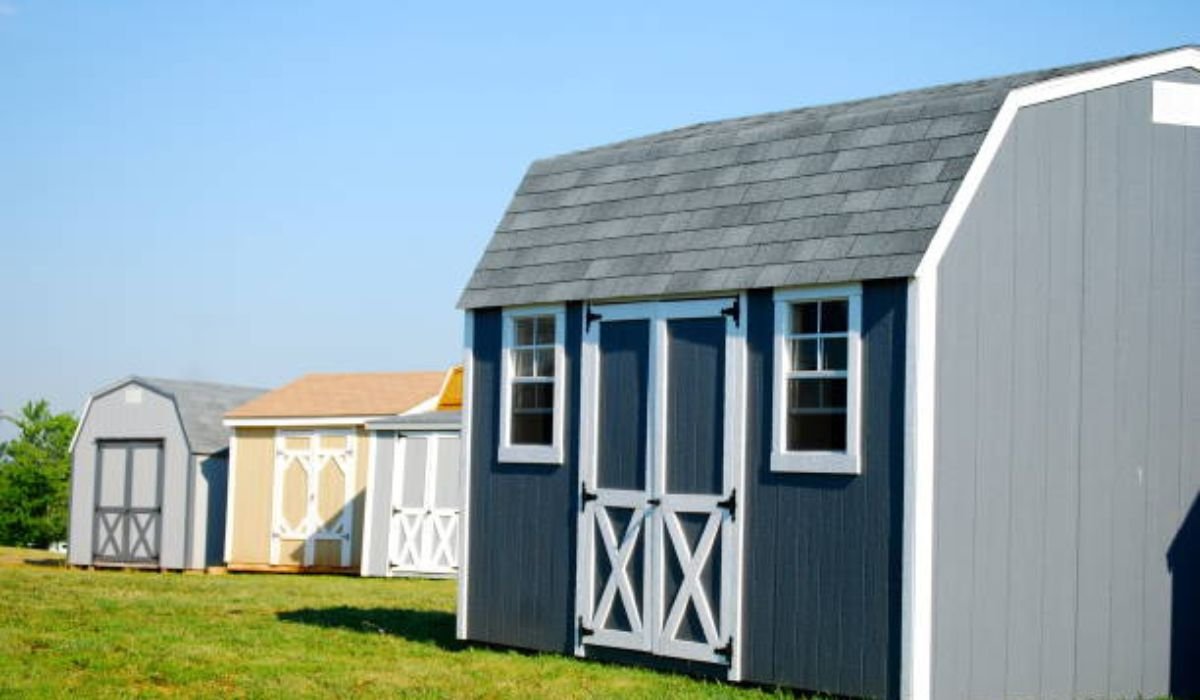
Storage sheds are a practical addition to many homes. They offer a convenient way to store tools, seasonal equipment, and items that don’t fit indoors. Yet, despite their usefulness, many homeowners are not using their sheds effectively. Improper organization, poor layout planning, and choosing the wrong shed can turn a potentially valuable space into a cluttered, frustrating area. Fortunately, with some planning and smart organization, you can make your shed a functional, long-lasting part of your home.
Common Mistakes Homeowners Make
Even experienced homeowners often make simple errors that reduce the effectiveness of their storage shed. Knowing these pitfalls can help you avoid them:
- Overcrowding the space: Piling boxes, garden tools, and seasonal items without any system leads to clutter. That makes it challenging to find items and increases the risk of damage.
- Ignoring climate and ventilation: Moisture and temperature fluctuations can ruin wood, metal tools, and other stored items. Poor airflow can also create mold or unpleasant odors.
- Choosing the wrong size: A shed that is too small can quickly become overflowing, while an oversized shed may remain underutilized without proper organization.
- Lack of organization tools: Without shelving, hooks, bins, or pegboards, even a large shed can feel chaotic. Small items get lost, and the space becomes inefficient.
- Neglecting maintenance: Many homeowners forget to inspect their sheds for leaks, pests, or damage, which can compromise the safety of stored items.
Understanding these common mistakes is the first step toward transforming your shed into an organized, efficient, and safe storage area.
Planning Your Shed Layout
Here are key strategies:
- Categorize by frequency of use: Keep items you use often, such as gardening tools or frequently accessed sports equipment, near the entrance. Seasonal or rarely used items can be stored on higher shelves or in the back.
- Utilize vertical space: Wall-mounted shelving, pegboards, and overhead racks help maximize storage without crowding the floor. Vertical storage keeps items visible and accessible.
- Create functional zones: Divide the shed into areas for garden tools, sports gear, outdoor furniture, and miscellaneous items. That makes it easier to locate and store items.
- Leave walking paths: Even in smaller sheds, ensure you can move around freely. Clear paths prevent accidents and make accessing items simple.
- Consider mobile storage: Small rolling carts or portable bins can be moved as needed, offering flexible storage solutions.
Choosing the Right Shed
Selecting the right shed is crucial for long-term storage success. When deciding, consider:
- Material: Wood, metal, and resin each have advantages. Wood offers sturdiness and aesthetic appeal but requires maintenance. Metal sheds are durable but may rust. Resin sheds resist weather and require little upkeep, though customization options may be limited.
- Roof design and slope: Proper drainage protects items inside. Gable roofs provide more interior space, while sloped roofs effectively channel rainwater away.
- Door size and access: Wide, double, or sliding doors make it easier to move bulky items in and out of the shed.
- Location and foundation: Place your shed on level ground, preferably with a solid foundation or pad. That prevents moisture damage and keeps the structure stable.
For homeowners looking to optimize household storage, exploring storage sheds for residential use can provide solutions specifically designed to meet long-term storage needs. These options often include built-in organization features, durable construction, and materials suited for residential settings.
Maximizing Space in Your Shed
Once your shed is selected and placed, you can make it highly functional with innovative organization techniques:
- Clear bins and containers: Transparent bins let you see contents at a glance. Stackable containers help maximize vertical space.
- Pegboards for tools: Hang tools on pegboards to keep them visible, organized, and off the floor. Hooks and brackets work well for sports equipment and garden tools.
- Foldable and stackable items: Folding chairs, collapsible tables, and stackable bins save space when not in use.
- Regular decluttering: Periodically review items stored in your shed. Donate, recycle, or discard things you no longer need to maintain order and prevent overflow.
- Multi-use furniture storage: If storing outdoor furniture, use protective covers and stack pieces efficiently to save space while avoiding damage.
Climate and Maintenance Considerations
Proper maintenance and climate control are critical for preserving items stored in sheds:
- Check for leaks and cracks: Inspect the roof, walls, and doors for gaps or damage that could allow moisture inside.
- Ventilation: Install vents or small windows to promote airflow, reduce condensation, and prevent mold.
- Pest control: Regularly check for rodents or insects. Use traps or natural deterrents to keep pests away from stored items.
- Seasonal cleaning: Remove dust, dirt, and debris from the shed periodically to maintain a clean environment.
- Material-specific care: Treat wooden sheds with sealants, repaint metal sheds to prevent corrosion, and clean resin sheds with mild soap to preserve their appearance.
Benefits of an Organized Shed
A well-organized shed provides multiple advantages beyond storage:
- Time savings: Items are easier to locate and access, reducing frustration and wasted time.
- Safety: Clear walkways and organized storage minimize the risk of trips, falls, or accidental damage.
- Longevity: Proper maintenance and organization prolong the life of both the shed and the items stored inside.
- Stress reduction: A tidy, functional shed creates a sense of control and reduces the clutter-related stress that many homeowners experience.
Final Thoughts
Storage sheds can be more than a simple backyard structure—they can serve as highly effective tools for home organization. Avoiding common mistakes, planning your layout, choosing the right materials, and adequately maintaining the shed.
By implementing these strategies, homeowners can maximize the utility of their sheds, keep their possessions safe, and maintain a clutter-free yard. Investing a little time and thought into planning, organization, and maintenance can transform any residential storage shed into an orderly, functional, and lasting storage solution.
YOU MAY ALSO LIKE: Creating the Perfect Outdoor Oasis: Why a Pool and Storage Shed is the Ideal Combo