Walk into any grocery store, and the produce section sets the tone. When done right, it signals freshness, quality, and value in a matter of seconds. For retailers, this space is not just about stocking fruits and vegetables. It is a strategic merchandising zone where layout, lighting, and presentation directly influence purchasing behaviour. Produce displays can shift how customers move, what they notice, and how much they ultimately buy.
In today’s competitive retail environment, supermarket produce displays play a critical role in guiding shopper decisions. They act as visual cues that communicate abundance, seasonality, and quality without a single word. A well-designed display does more than look appealing. It subtly encourages shoppers to explore, compare, and add more items to their baskets.
First Impressions Shape Buying Behaviour
Shoppers often make snap judgments within moments of entering a store. The produce section, usually positioned near the entrance, becomes the first opportunity to build trust. Clean, organized, and well-lit displays suggest freshness and care, while cluttered or poorly stocked areas can create hesitation.
Colour contrast is especially influential here. Grouping vibrant produce like peppers, citrus, and leafy greens creates visual energy that draws attention. When customers perceive freshness at a glance, they are more likely to spend time browsing and less likely to question quality.
Strategic Layout Encourages Exploration
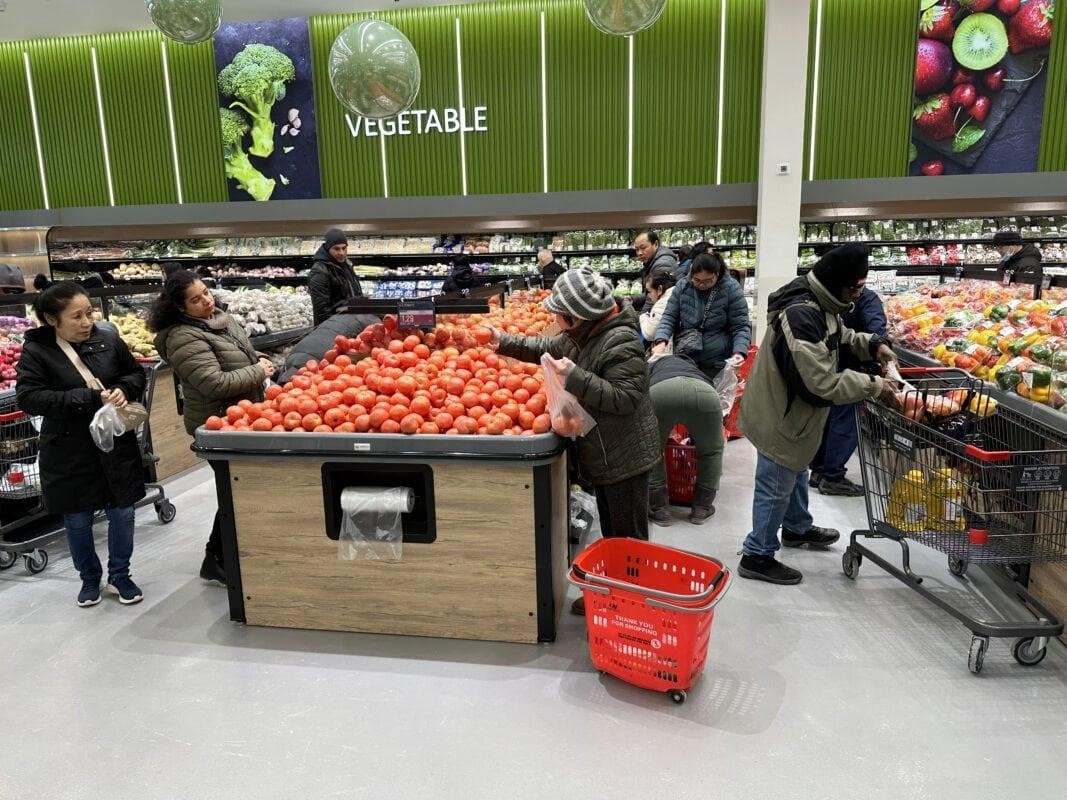
The physical arrangement of produce displays impacts how customers navigate the space. Straight, predictable rows may be efficient, but they often limit engagement. Curved or island-style layouts invite movement and encourage shoppers to slow down.
Cross-merchandising is another effective tactic. Placing complementary items nearby, such as herbs next to tomatoes or salad dressings near greens, introduces ideas for meals. This approach shifts the shopper’s mindset from buying ingredients to planning dishes, which often results in higher basket values.
Abundance Signals Value Without Discounts
Full, well-stocked displays create a perception of abundance, even if inventory levels are carefully managed behind the scenes. Shoppers associate abundance with freshness and value, which reduces price sensitivity.
This does not mean overstocking to the point of waste. Instead, retailers can use tiered shelving, angled displays, and strategic restocking schedules to maintain a “full” appearance throughout the day. The goal is to avoid gaps that suggest picked-over or aging products.
Lighting and Materials Enhance Perceived Freshness
Lighting is one of the most overlooked elements in produce merchandising. Warm, targeted lighting can enhance natural colours, making fruits appear richer and vegetables look crisper. Poor lighting, on the other hand, can dull even the freshest items.
Display materials also matter. Natural textures like wood or matte finishes often reinforce the idea of farm-fresh quality, while overly industrial fixtures can feel cold and transactional. The right combination of lighting and materials helps create an environment that feels both premium and approachable.
Clear Signage Reduces Friction
Even the most visually appealing display can underperform if shoppers are unsure about pricing or product details. Clear, concise signage removes hesitation and speeds up decision-making.
Effective signage does more than list prices. It can highlight origin, seasonal availability, or suggested uses. For example, labelling apples by flavour profile rather than just variety can help customers choose more confidently, especially when faced with multiple options.
Consistency Builds Shopper Trust
A single impressive display is not enough. Consistency across the entire produce section reinforces reliability. When customers know they can expect freshness and organization every visit, they are more likely to return and spend more over time.
Routine maintenance plays a key role here. Regularly rotating stock, removing damaged items, and refreshing displays throughout the day ensures that the section maintains its visual appeal during peak and off-peak hours alike.
Turning Displays Into Sales Drivers
Small adjustments in layout, lighting, and presentation can compound into meaningful increases in customer engagement and overall revenue. When done right, the produce section becomes a powerful driver of sales across the entire store.