The home smells musty, surfaces show visible patches, and residents experience chronic coughing, difficulty breathing, or persistent allergic reactions. Does it sound familiar?
If yes, immediate attention is necessary.
This could indicate a mold infestation, and prolonged exposure may lead to mold toxicity, caused by harmful compounds called mycotoxins. These toxins can affect multiple systems in the body, including the respiratory, immune, nervous, and digestive systems.
Early detection and testing are crucial for preventing long-term health complications. Learn here why mold toxicity must be taken seriously and how it is diagnosed.
What Are Mycotoxins?
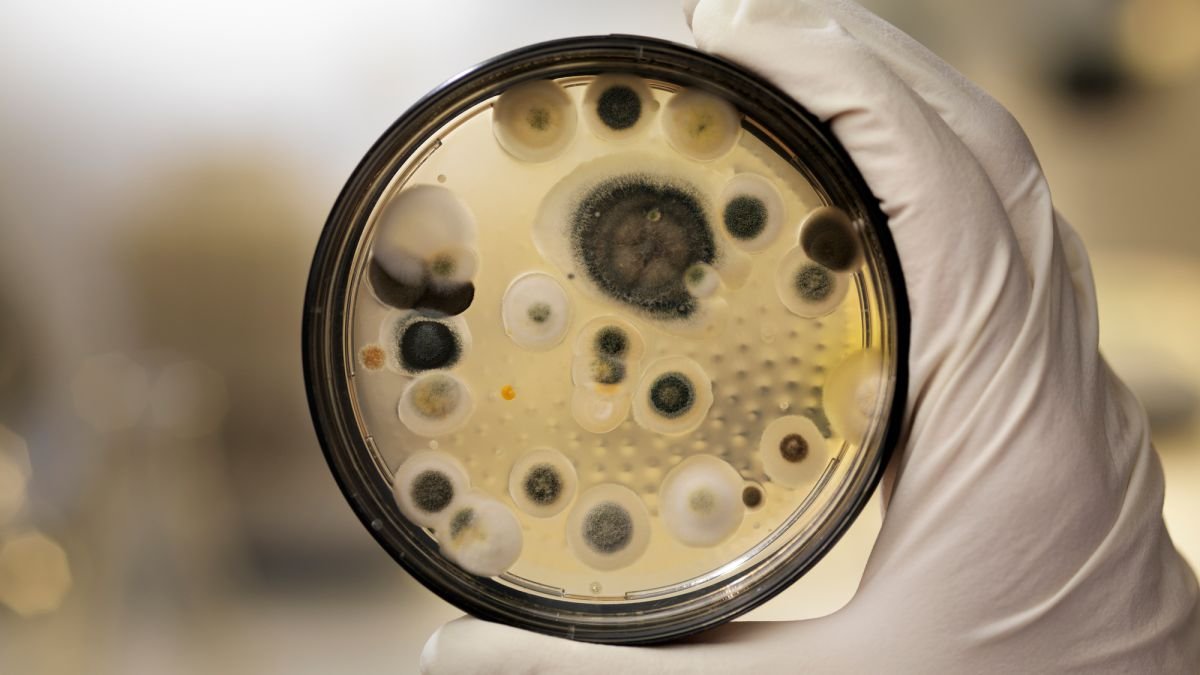
Mold is a type of fungus generally found in damp or humid environments. It is commonly seen as fuzzy or discolored patches on walls, ceilings, or organic materials like food. While some molds are harmless, certain species produce toxic compounds called mycotoxins.
Mycotoxins are naturally occurring chemicals that can contaminate environments, food, or water-based areas. Human exposure through inhalation, ingestion, or skin contact, mycotoxins can affect different body systems, including the immune and nervous systems, and organs like the liver and lungs.
Some of the common examples of mycotoxins include trichothecenes, ochratoxins, aflatoxins, gliotoxins, and citrinin.
Impact of Molds on the Body
Thriving in damp and poorly ventilated environments, the molds that release mycotoxins can negatively affect human health. Here is how:
Respiratory System Effects
Inhaled mold spores can irritate the respiratory tract. It results in common symptoms such as coughing, wheezing, nasal congestion, and throat irritation. Individuals with asthma or chronic respiratory conditions may experience exacerbations (acute temporary worsening of chronic disease symptoms). Further, long-term exposure to toxic molds can lead to chronic bronchitis or other respiratory complications.
Immune System Response
Mold exposure can trigger immune system reactions and may lead to allergic responses such as sneezing, rashes, and watery eyes. Mycotoxins can also suppress immune function, making individuals more susceptible to infections. Hence, the infection reduces the body’s ability to fight off pathogens effectively.
Neurological and Cognitive Effects
Certain mycotoxins are neurotoxic and hence affect the nervous system. Symptoms may include headaches, fatigue, difficulty concentrating, memory problems, and mood changes. Chronic exposure to mycotoxins has been associated with brain fog and impaired cognitive function. Thus, the neural and cognitive effects of mycotoxins reduce the overall quality of life.
Digestive System Impact
Ingested molds or contaminated food can affect the gastrointestinal or digestive system. Common reactions include nausea, vomiting, diarrhea, and abdominal discomfort. Some mycotoxins, like aflatoxins, can also stress the liver, impairing detoxification and metabolic processes over time.
Skin and Eye Irritation
Direct contact with mold can cause skin rashes, itching, and irritation. Eyes may also become red, watery, or itchy if exposed to airborne spores. These symptoms are more prominent in individuals with sensitive skin or pre-existing conditions like eczema.
Chronic and Systemic Implications
Long-term or high-level exposure to toxic molds may contribute to systemic inflammation, hormonal imbalances, and neurological impacts (as discussed). Generally, children, the elderly, and immunocompromised individuals are vulnerable to infection and are at greater risk of severe health impacts.
What is the Mold Toxicity Test?
Mold toxicity test is a diagnostic tool designed to detect the presence and effects of mold exposure in the body. The different types of tests for assessing mold toxicity include:
- Blood Tests: Detects antibodies produced in response to mold exposure and assesses inflammation or liver function, which may be affected by toxins.
- Urine Tests: Measures harmful mycotoxins released by the body, indicating the degree and duration of exposure.
- Mold Allergy Tests: Identifies sensitivities using skin prick or blood-based IgE tests, helping tailor individualized treatment plans.
How Functional Medicine Deals with Mold Toxicity?
Functional medicine provides an individualized approach to address mold and mycotoxin-related health issues. Rather than conventional methods working on managing the symptoms, functional medicine begins with proper diagnostic testing to identify mold exposure. It is followed by the use of properly designed treatment measures, such as:
Detoxification Therapies
It encompasses:
- Sauna Therapy: Encourages elimination of mycotoxins through sweat.
- Intravenous Glutathione: Supports antioxidant activity and liver detoxification pathways, helping the body expel accumulated toxins.
- Binders: Substances like cholestyramine or activated charcoal bind mycotoxins in the gut to prevent reabsorption into the bloodstream
Nutritional Support and Supplements
Functional medicine recommends supplements to enhance the detoxification of the body. It also includes targeted dietary changes, such as encouraging the intake of anti-inflammatory foods and nutrients. The common recommendations are omega-3 fatty acids, magnesium, curcumin, and vitamins C and D. They help reduce systemic inflammation and improve immune function.
Addressing Fungal Growth
To eliminate the mold, functional medicine hinders its growth by restoring gut health and preventing existing infections. It recommends natural antifungals or azoles like oregano oil. Also, it includes probiotics that support digestive balance and strengthen the immune system.
Note: Functional medicine does not rely on a single treatment to work for all patients. It tailors the interventions based on individual symptoms, genetic makeup, immune functionality, and environmental exposure. The integrated and personalized approach ensures the most effective care aligned with safe and sustainable recovery from mold toxicity.
Conclusion
Mold and mycotoxin exposure can affect the body in complex and often hidden ways. Beginning from respiratory irritation to cognitive disturbances and systemic inflammation, the impact can be witnessed on the full body. Functional medicine provides a structured approach by combining mold toxicity tests, personalized detoxification, dietary strategies, and immune support to address these challenges effectively.
Read Also: Understanding Bioavailable Nutrients and Why They Matter