Are you tired of the same old cheese plate? Do you find yourself wandering the dairy aisle, longing for a flavor that breaks the mold of predictable cheddar and safe brie? For the true gourmand, the greatest thrill lies in discovery—in uncovering a cheese with a story, a personality, and a taste that lingers in memory long after the last crumb is gone. That next discovery awaits: grouse cheese.
This isn’t your everyday dairy product. It’s a conversation piece, a testament to artisan craft, and a bold adventure for the palate. This guide is your passport to its intriguing world. We’ll delve into its rustic origins, decode its complex flavor profile, and equip you with expert pairing and serving advice. Consider this your ultimate resource for seeking out, savoring, and celebrating one of the cheese world’s most distinctive hidden gems.
The Story Behind the Flavor: Origin and Production
The tale of grouse cheese begins not in a vast industrial facility, but in the pastoral landscapes where small-scale artisan cheese makers draw inspiration from their surroundings. Its name is often a nod to its terroir—typically regions where the grouse, a wild game bird, is native to the heather-clad moors and wooded hills. The cheese embodies the essence of this wild, earthy environment.
True grouse cheese is a product of meticulous, hands-on craftsmanship. It is traditionally made from rich, high-quality cow’s or sometimes sheep’s milk, sourced from local herds. What sets its production apart is often a unique aging process. Some varieties are cave-aged, allowing natural molds and bacteria to develop the rind and interior slowly. Others might be wrapped in specific materials or brushed with solutions that encourage the development of a rustic, sometimes slightly sticky rind with a distinctive grey-blue bloom. The aging period can range from several months to over a year, during which the flavors deepen and intensify, gaining the savory, complex notes that define this specialty dairy product.
Defining the Niche: What Makes it Artisan?
The term “artisan” is crucial here. Unlike mass-produced cheeses designed for uniformity, grouse cheese is made in small batches. The cheesemaker’s skill, intuition, and respect for tradition are the guiding forces. Each wheel may have subtle variations, a signature of the season’s milk and the aging conditions. This philosophy is the antithesis of factory cheese; it’s about quality over quantity and flavor over convenience.
Unlocking the Signature Taste Profile of Grouse Cheese
So, what does grouse cheese taste like? Prepare for a symphony of savory depth. The first note is often a pronounced earthiness—think damp forest floor, autumn leaves, or wild mushrooms. This is complemented by a distinct nuttiness, reminiscent of toasted hazelnuts or browned butter. As the cheese ages, it develops a robust, savory umami character, sometimes with a tangy, lactic sharpness on the finish.
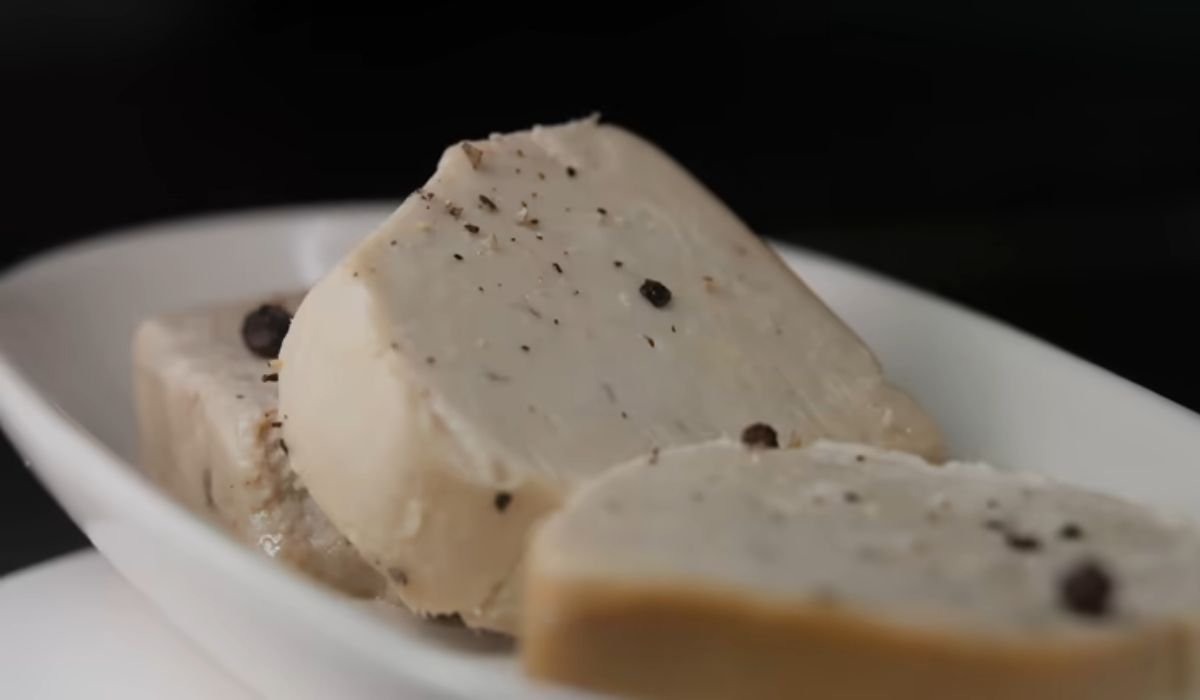
The texture tells its own story. A young grouse cheese might be semi-firm and slightly pliable, while a well-aged version becomes dense, crystalline, and delightfully crumbly. The mouthfeel is rich and coating, leaving a long-lasting, complex finish. The aroma is assertive but not off-putting: earthy, musky, and invitingly pungent. This is the bold gourmet flavor that adventurous turophiles (cheese lovers) seek.
Distinguishing Grouse Cheese from Common Varieties
While a sharp aged cheddar offers a one-note bite, grouse cheese presents a layered, evolving flavor. Compared to the mild creaminess of a young brie, it is profoundly robust and earthy. It shares some kinship with other rustic, washed-rind cheeses but stands apart with its unique balance of gamey nuance and nutty sweetness. Its flavor is not just an ingredient; it’s the main event.
READ ALSO: Afruimwagens: The Unsung Heroes of Hospitality Efficiency
Perfect Pairings and Serving Your Gourmet Grouse Cheese
To fully appreciate grouse cheese, serve it at room temperature. Remove it from refrigeration at least an hour before serving to allow its full aroma and flavor to blossom.
Pairing Partners:
- Fruits & Accompaniments: Counter its savory depth with the sweetness of fig jam, pear mostarda, or ripe blackberries. Dried apricots and candied walnuts add texture and complementary sweetness. A drizzle of thick, floral honey is a classic and stunning match.
- Charcuterie: On a charcuterie board, pair it with robust cured meats like salami, speck, or wild boar pâté. Its boldness stands up beautifully to these strong flavors.
- Beverages: For wine pairing, think big and structured. A spicy Syrah/Shiraz, a fruity Zinfandel, or an earthy Pinot Noir are excellent red choices. For white wine lovers, a rich, oaked Chardonnay or a complex aged Riesling can work wonders. Beyond wine, try it with a malty brown ale, a porter, or even a neat glass of single malt Scotch whisky.
Beyond the Board: Simple Recipe Ideas
While sublime on its own, grouse cheese can elevate simple dishes. Shave it over a warm potato and leek soup for instant depth. Melt a slice onto a gourmet burger for a luxurious twist. Or, bake it in a small dish with a splash of white wine and garlic for an unforgettable, decadent dip.
Building the Ultimate Charcuterie Board
Make grouse cheese the star. Place it centrally on a wooden board. Surround it with the suggested pairings, adding complementary milder cheeses (like a soft goat cheese or a mild gouda) for balance. Include a variety of crackers, crusty bread, and garnishes like cornichons and whole-grain mustard. Let its unique character guide your curation.
Food Discovery: Where and How to Find Authentic Grouse Cheese
Finding authentic grouse cheese is part of the adventure. Start at a dedicated specialty cheese shop where knowledgeable cheesemongers can guide you. Many exceptional artisan cheese producers sell directly online, offering overnight shipping to ensure freshness.
When searching where to buy grouse cheese online, look for retailers that provide detailed provenance information—the farm, the cheesemaker, and the aging process. As a premium, small-batch product, expect a higher price point, typically ranging from $25 to $45 per pound, reflecting the care and time invested in its creation. Trust your senses: authentic cheese should look handmade, smell earthy and inviting, and be stored properly by the seller.
Grouse cheese is more than a food; it’s an experience. It’s a journey into the heart of artisan craftsmanship, offering a bold gourmet flavor that challenges and delights in equal measure. From its earthy, nutty taste profile to its perfect place on a curated charcuterie board, this cheese is a testament to the joys of food discovery.
You now hold the knowledge to seek it out with confidence, serve it with flair, and pair it for maximum pleasure. The world of unique cheese flavors is vast and waiting. Don’t let your next great culinary moment wait any longer. Seek out a piece of grouse cheese today, gather some friends, and unlock a flavor you won’t soon forget. Your palate will thank you.
YOU MAY ALSO LIKE: Your Guide to the Eight Slices Italian Kitchen Menu in Wanneroo