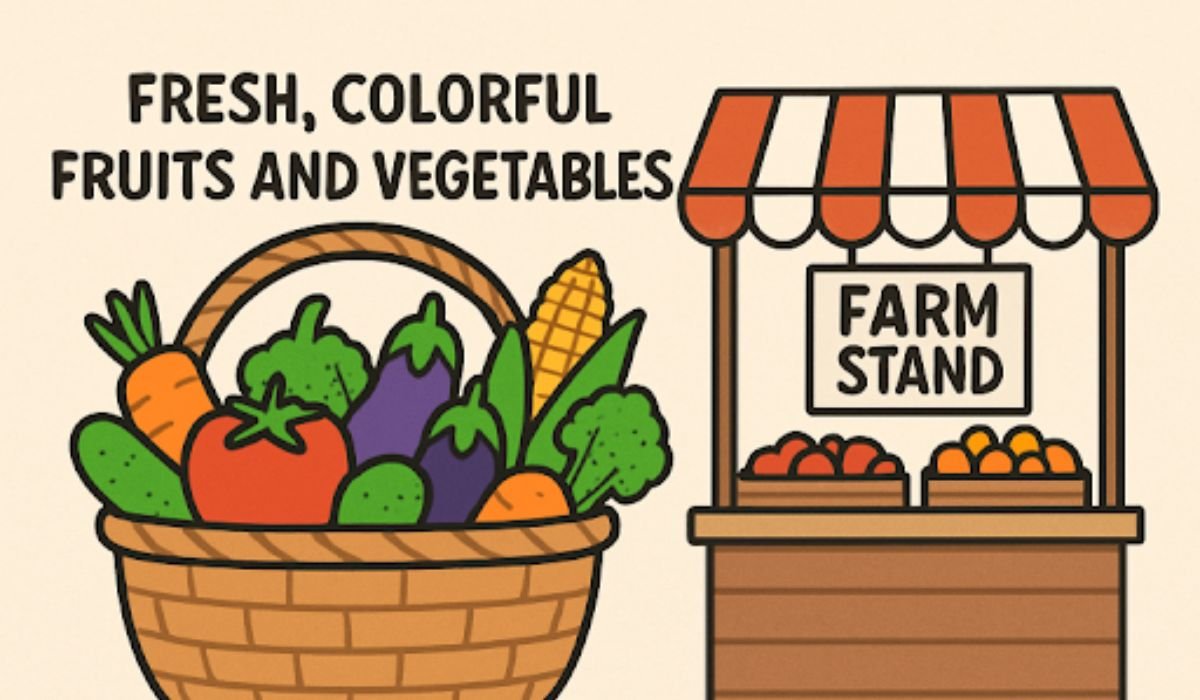
The farm-to-table movement is transforming lifestyles and eating habits by prioritizing food that is fresh, locally sourced, and sustainably grown. This shift has made it easier for individuals and families to adopt healthier diets, foster a connection to their community, and lower their environmental impact. For example, a family-owned Italian grocery store exemplifies how local markets can support both traditional culinary heritage and modern sustainability.
Eating closer to the source doesn’t just promise fresher taste; it also means fewer artificial additives and a stronger relationship with the products on our plates. As restaurants, markets, and households join the movement, the benefits extend far beyond personal health, reaching economic and ecological spheres as well.
Many consumers have discovered that shopping locally provides access to seasonal fruits and vegetables packed with nutrients, while simultaneously supporting regional livelihoods. This approach brings communities together and creates a more transparent food chain, encouraging education around food origins and inspiring support for local farming initiatives.
Increasingly, innovative programs and passionate entrepreneurs are shaping a food landscape where quality, provenance, and sustainability are inextricably linked. Incorporating farm-to-table approaches into everyday life is becoming practical and rewarding, even for those with limited access to farms or markets.
Understanding Farm-to-Table
Farm-to-table, often referred to as farm-to-fork, centers around minimizing the distance between where food is grown and where it is consumed. In this model, restaurants, retailers, and schools buy directly from regional farmers, providing meals that are fresher and more nutritious. By cutting out intermediaries, food moves quickly from field to plate, resulting in food that tastes better and is often richer in vitamins and minerals. The movement also supports food transparency, letting diners trace their meals back to their origins with ease.
Health Benefits of Local Sourcing
Opting for locally grown produce can substantially elevate the nutritional value of your meals. Fruits and vegetables transported over long distances often lose essential nutrients, including vitamin C and antioxidants, before reaching your table. Locally sourced foods typically do not require the same levels of preservatives or chemical treatments used to extend shelf life during transit. This means you’re likely consuming products that are fresher, cleaner, and closer to their peak flavor and nutritional potential. Studies have also linked diets rich in seasonal, local produce to a reduced risk of chronic diseases.
Sustainability and Environmental Impact
Shortening the food supply chain through local purchasing can dramatically reduce greenhouse gas emissions resulting from transportation. Additionally, small-scale farmers are often more inclined to employ sustainable practices that protect biodiversity and soil health rather than relying on industrial monoculture. Not only does this approach help conserve natural resources, but it also ensures healthier farming communities and ecosystems for the long term.
Economic Advantages for Communities
When consumers and restaurants prioritize local sourcing, the economic benefits ripple through communities in multiple ways. By choosing local foods, you’re helping to sustain family-owned farms and independent producers who are vital to rural economies. These purchases create jobs, fuel small business growth, and can even help revitalize food systems by introducing more diversity and resilience to local markets. Increased demand for freshly harvested foods can lead to the emergence of new farmers’ markets, food hubs, and urban farming initiatives, thereby further weaving the fabric of the local economy.
Incorporating Farm-to-Table at Home
Bringing the farm-to-table philosophy into your kitchen is both simple and satisfying. Start by seeking out farmers’ markets or subscribing to a community-supported agriculture (CSA) box to discover what’s in season. Even growing a handful of herbs or vegetables on a balcony or windowsill can spark a deeper connection to your food. Buying directly from local producers not only ensures freshness but also supports agricultural families and fosters regional food traditions. For tips and recipes that make the most of seasonal ingredients, many respected chefs and nutritionists suggest building meals around whatever is at its freshest each week.
READ ALSO: Low Glycemic Index Foods List PDF for a Healthier You
Challenges and Considerations
Despite its many advantages, farm-to-table eating involves certain obstacles. Regions with short growing seasons may lack variety in produce at times, making menu planning a test of creativity and flexibility. Locally grown foods may carry higher price tags due to smaller production volumes and labor-intensive practices. Accessibility can be a significant issue, particularly for urban communities located far from agricultural regions. That’s why community initiatives, public policies, and creative culinary approaches are essential to expanding the reach and affordability of local foods.
Future Trends in Farm-to-Table Dining
The future of farm-to-table dining is being written by a new generation of farmers, chefs, and tech innovators. Emerging trends include “hyper-local” sourcing—restaurants cultivating rooftop or backyard gardens to supply kitchens directly. Regenerative agriculture practices, which restore ecosystems rather than simply minimizing harm, are gaining traction within the movement. Advances in mobile technology and logistics platforms are also making it easier for consumers to connect with local food sources and track their food from seed to plate. These innovations are narrowing the gap between growers and consumers, making healthy, sustainable eating more accessible than ever.
Final Thoughts
The farm-to-table movement stands at the intersection of flavor, nutrition, and responsibility. By choosing local and seasonal foods, each person can contribute to building a healthier future for themselves and their community. As this movement evolves and expands, it offers inspiration for delicious meals, environmental stewardship, and support for local economies—one bite at a time.
YOU MAY ALSO LIKE: Mannacote: The Natural Coating for Thriving, Healthier Crops