Slow-cooked barbecue is a revered tradition that transforms humble cuts of meat into delicious, tender, and memorable meals. This slow-crafting process honors both the patience of the cook and the science of cooking, turning smoky aromas and hours of anticipation into mouth-watering results. Whether you are a seasoned pitmaster or a backyard enthusiast, exploring the art of low-and-slow barbecue can elevate your culinary skills and bring people together. For those looking to savor expertly prepared barbecue without the wait, Brothers BBQ Denver offers a delicious showcase of this time-honored technique.
Mastering slow-cooked barbecue requires understanding both the tradition and the technical details that make each bite unforgettable. This article guides you through the essential knowledge, tips, and steps for authentic slow-cooked barbecue, helping you achieve tender, juicy, and flavorful results at home or in your favorite local joint.
Understanding the Science Behind Slow Cooking
Slow cooking invites you to embrace patience as you work with time and temperature to unlock new textures and flavors in your meat. At its core, the “low and slow” method relies on gently heating tougher cuts to 225°F-275°F for hours at a time. During this process, the connective tissue known as collagen slowly breaks down, transforming into gelatin that naturally bastes the meat from within. This conversion not only tenderizes the meat but also delivers rich moisture and savory depth with each bite.
Maintaining these lower temperatures for an extended period also renders fat steadily. As the fat melts, it infuses the meat with flavor, creating that prized juiciness characteristic of great barbecue. Scientific insights from sources like Serious Eats further explain how this chemical transformation yields tender, fall-apart textures that no fast-cooked alternative can match.
Essential Equipment and Tools
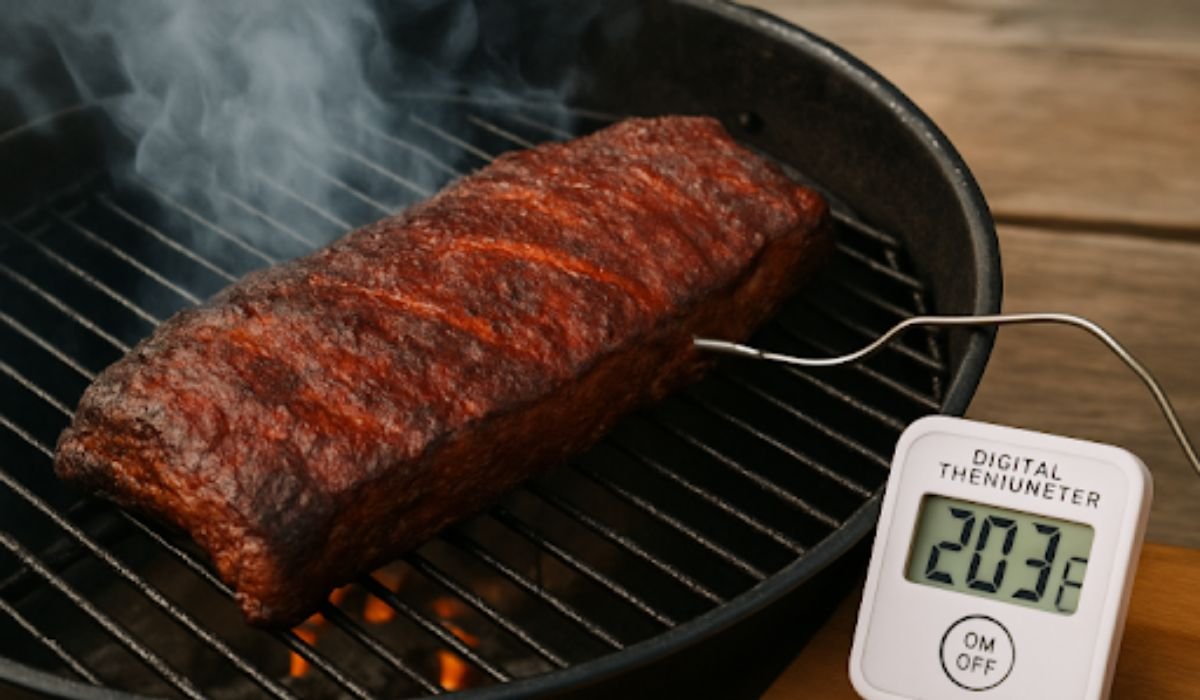
Creating quality slow-cooked barbecue is much easier when you have the right tools at hand. An insulated smoker or a charcoal grill capable of steady temperatures is non-negotiable. A digital thermometer helps ensure your internal meat temperatures remain precise, preventing under- or overcooking. In addition, using high-quality charcoal and soaking wood chips of your choice (hickory for robustness or applewood for subtlety) imparts nuanced flavors tailored to your preference. A drip pan filled with water below the cooking grates is also recommended, regulating the environment inside your smoker and maintaining moisture around the meat.
READ ALSO: Kecveto Organic Superfood Blend: Boost Your Health
Choosing the Right Cuts of Meat
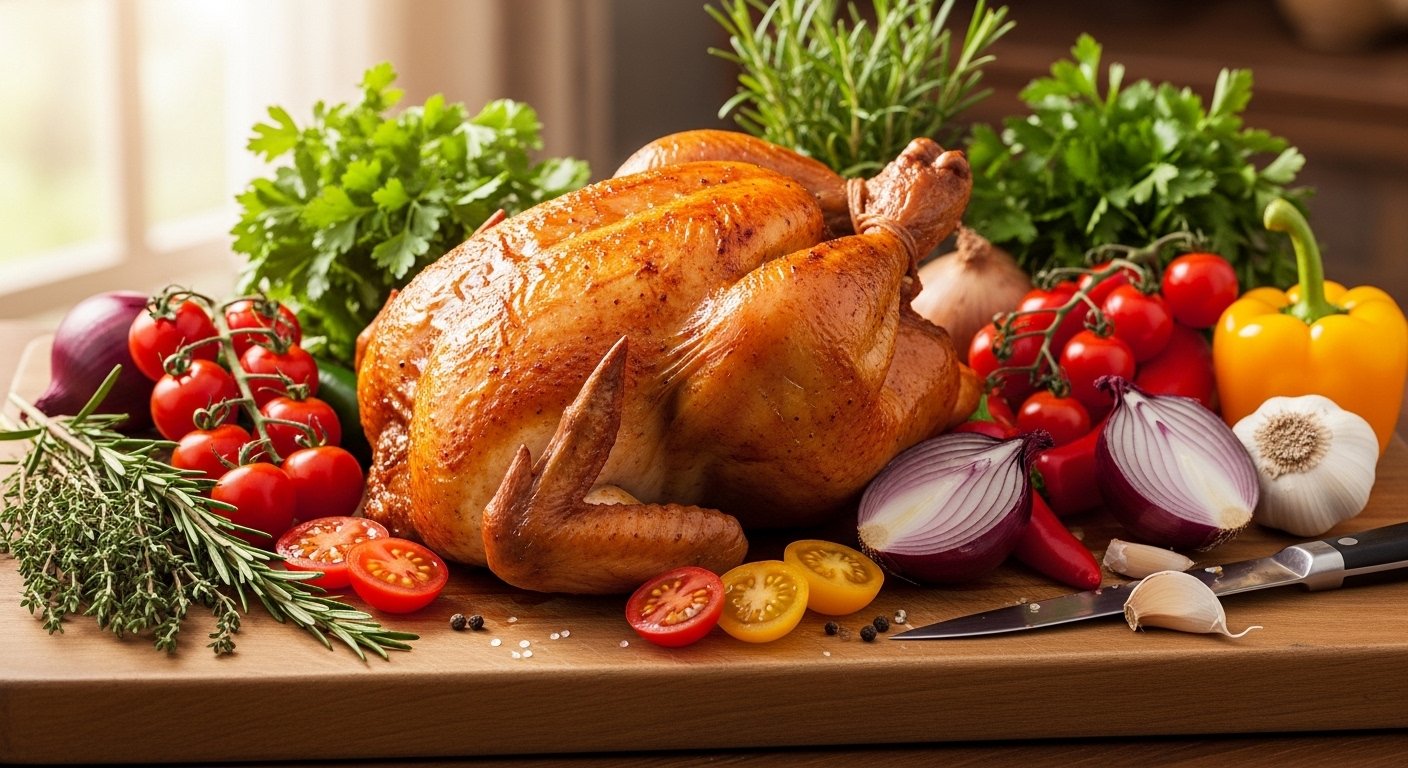
Slow cooking excels with cuts that are often overlooked for quick grilling. Brisket reigns supreme for its ability to become meltingly tender when allowed time in the smoke. Pork shoulder, commonly used for pulled pork, rewards long, slow cooking with irresistible flavor and a shreddable texture. Ribs, whether baby back or spare ribs, benefit from slow heat, achieving that coveted fall-off-the-bone consistency. Poultry such as whole chicken or turkey also transforms beautifully through slow smoking, yielding moist flesh and deeply flavored skin.
Preparing Your Meat: Seasoning and Marinades
Outstanding barbecue begins with thoughtful seasoning. Dry rubs, which often include spices such as smoked paprika, garlic powder, black pepper, and brown sugar, form a flavorful crust and help lock in moisture. For even more depth of flavor, marinate your cuts for several hours or overnight. The combination of salt, spice, acid, and sweet in marinades not only builds complexity but also contributes to tenderness. Make sure to apply your seasoning liberally and let it penetrate before placing the meat over the heat.
Setting Up Your Grill for Low and Slow Cooking
The key to low-and-slow barbecue lies in indirect heat. You will want to set up your grill with a two-zone fire by banking the charcoal to one side and leaving the other as a cool zone for indirect cooking. Place your drip pan filled with water on the unused side under the grates to help regulate heat and humidity, intensify the lighting of your charcoal, and allow it to ash over. You are ready to introduce your meat to the indirect heat, minimizing direct flame exposure to prevent burning while optimizing slow, even cooking.
Monitoring Temperature and Cooking Times
Consistency is the name of the game in slow-cooked barbecue. Using your grill’s vents, adjust the airflow to maintain a temperature window of 225°F to 275°F throughout the cooking process. Cooking times will vary by cut and size: brisket may take 10 to 12 hours, ribs 5 to 6 hours, and pork shoulder 8 to 10 hours. A reliable meat thermometer is crucial for checking doneness rather than relying solely on time. For a deep dive into temperature management, visit Smoked BBQ Source.
Adding Smoke Flavor
One of barbecue’s most celebrated features is its smoky character. Selecting your wood chips, hickory, apple, cherry, or pecan, lets you personalize each cook. Soak wood chips for about half an hour before use and add a handful every hour to sustain a steady stream of flavorful smoke. The type and quantity of wood you use directly impact the final flavor, so experiment to find your ideal signature taste.
Resting and Serving Your Barbecue
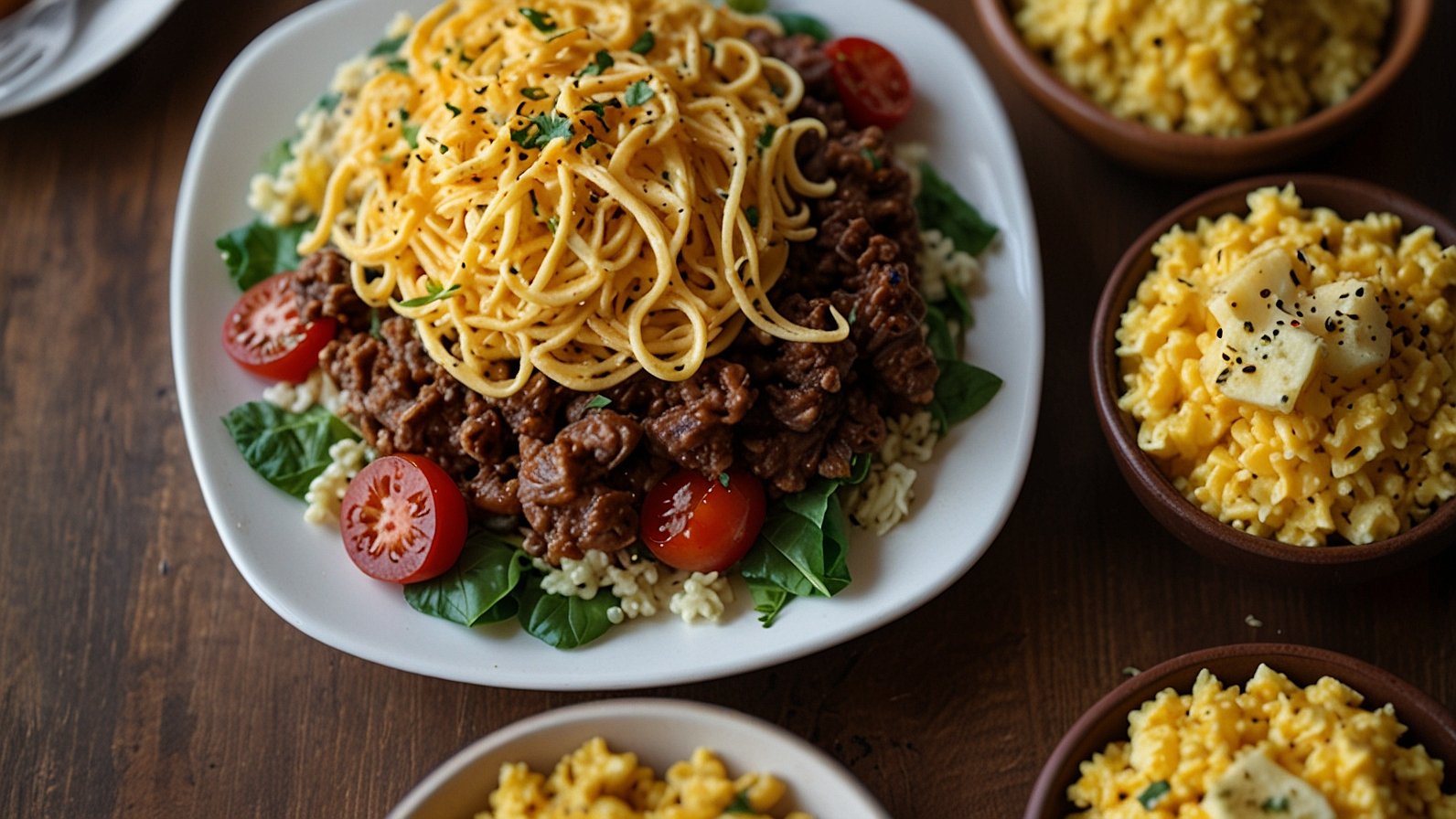
Resting your meat after cooking is just as important as any step in the process. Letting it sit uncovered for 15 to 30 minutes gives the juices time to redistribute, ensuring each slice is moist and flavorful rather than dry. When it is time to serve, pair your barbecue with sides such as tangy coleslaw, baked beans, or golden cornbread for a classic feast that honors the hard work and anticipation of slow-cooked tradition.
Slow-cooked barbecue is both a journey and a celebration. With carefully managed heat, thoughtful preparation, and the right approach to seasoning and smoke, anyone can master this beloved craft. Embrace the slow process, and you will enjoy results that are well worth the wait, every tender bite a testament to the art of barbecue.
YOU MAY ALSO LIKE: Unlock Centuries of Flavor: What Makes Çeciir Turkey’s Ultimate Comfort Food?