A flaky scalp is one of those problems that sneaks up on you. You notice a little itch, maybe some white specks on your shoulders, and you think — it’s just dryness, it’ll go away. But weeks pass, and it doesn’t. If anything, it gets worse. Before reaching for any shampoo off the shelf, it helps to understand what’s actually going on with your scalp.
Why Flaking Happens in the First Place
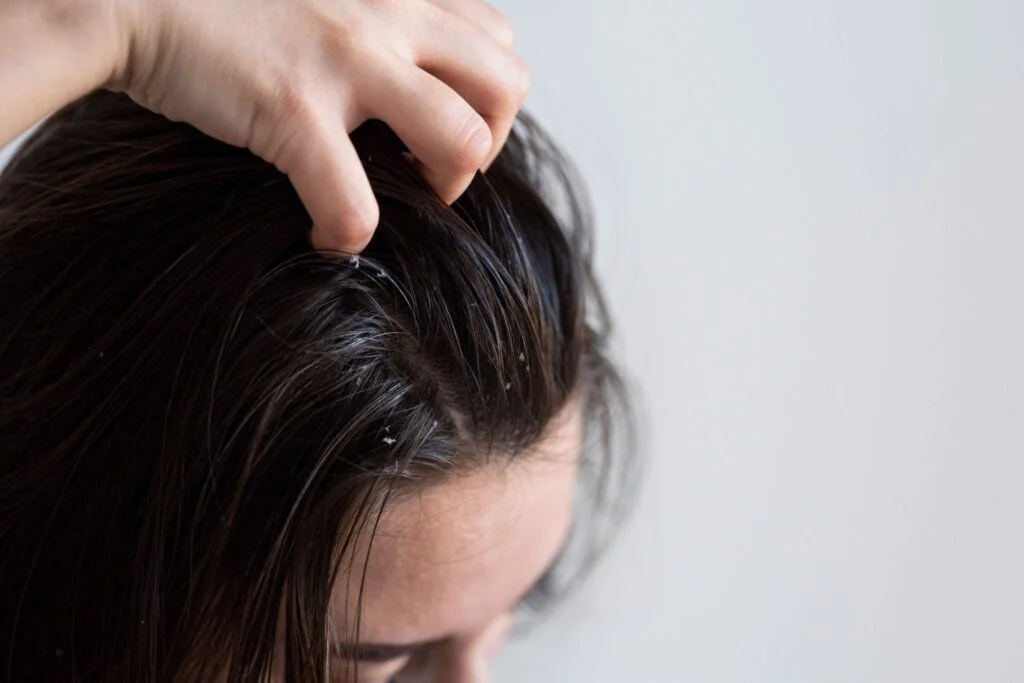
The scalp, like all skin, sheds dead cells constantly. That’s completely normal. The problem starts when this shedding speeds up and becomes visible — clumping into white or yellowish flakes that fall onto your clothes or stick to your hair.
This usually happens for one of a few reasons:
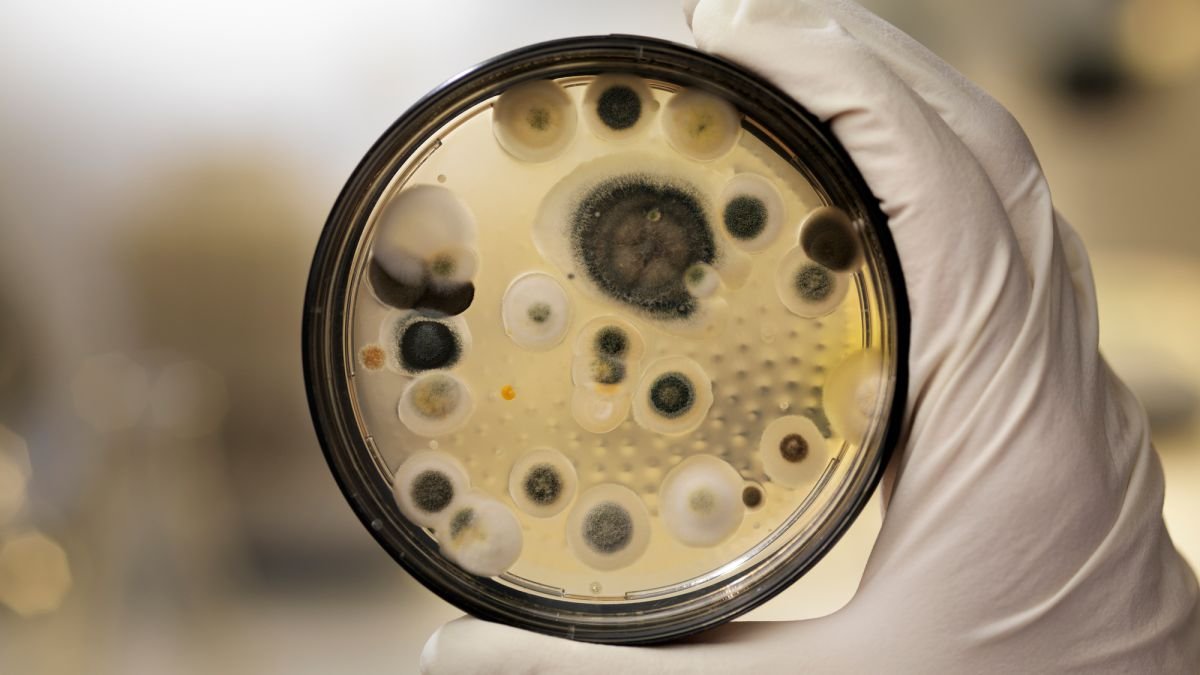
- An overgrowth of a yeast-like fungus called Malassezia, which lives naturally on most people’s scalps
- Excess sebum (oil) production that creates the right environment for that fungus to thrive
- Dry scalp, where the skin simply lacks moisture and cracks into fine flakes
- Skin conditions like seborrheic dermatitis or psoriasis
- Sensitivity to certain hair products or ingredients
These causes aren’t all the same, which is exactly why one solution doesn’t work for everyone.
Dandruff vs. Dry Scalp — They’re Not the Same Thing
Most people use these two terms interchangeably, but they’re quite different. If you want to know what is dandruff? in a clinical sense — it’s a chronic scalp condition linked to fungal activity and oiliness. The flakes from dandruff tend to be larger, oilier, and sometimes yellowish.
Dry scalp flakes, on the other hand, are smaller, whiter, and often accompanied by tightness or general skin dryness elsewhere on the body. Treating dry scalp with anti-dandruff formulas can sometimes make it worse, because those formulas are designed to strip oil — the last thing a dry scalp needs.
Getting this distinction right matters more than most people realize.
The Role of the Scalp’s Microbiome
Your scalp has its own ecosystem of bacteria and fungi living on it. When this balance is maintained, your scalp stays healthy. When something disrupts it — stress, hormonal changes, harsh products, diet shifts — the fungal population can grow unchecked. This is often what triggers the persistent, recurring kind of flaking that doesn’t respond to basic moisturizing or frequent washing.
Stress, in particular, is underestimated here. It raises cortisol levels, which can increase sebum production, which feeds the fungus, which triggers more inflammation and more flaking. It becomes a cycle that’s hard to break without addressing the underlying trigger.
What Actually Works — and What Doesn’t
The most common mistake people make is switching shampoos repeatedly without understanding what type of flaking they’re dealing with. Some things that genuinely help:
- Zinc pyrithione or ketoconazole-based shampoos for fungal-driven dandruff
- Salicylic acid formulations to help break down and lift thick, stubborn flakes
- Gentle, sulfate-free cleansers for dry scalp that needs moisture, not stripping
- Addressing diet — deficiencies in zinc, B vitamins, and omega-3s can show up on your scalp
- Managing stress as part of a longer-term approach
Oiling your scalp every day when you have active dandruff is one of the more common mistakes — oil can feed the fungus and worsen the situation.
A More Root-Cause Approach to Scalp Health
There’s growing awareness that scalp health is deeply connected to internal factors — gut health, stress, nutrition, hormonal balance. Brands like Traya Anti Dandruff Shampoo operate from this broader philosophy, combining topical care with an understanding of what’s happening internally, rather than treating flakes as a surface-only problem.
This shift in thinking is useful regardless of which product you use. If you’ve been dealing with recurring flaking for months, ask yourself whether you’ve actually looked at the internal picture — sleep quality, diet, stress levels — or just kept changing your shampoo.
Final Thoughts
A flaky scalp is rarely just a hygiene issue or a sign that you need a better shampoo. It’s usually a signal worth paying attention to. Understanding what type of flaking you’re dealing with, what’s driving it, and what your scalp actually needs is the most practical starting point. The solution becomes a lot clearer once the problem is properly understood.