A car crash can turn an ordinary drive through Tulsa into a confusing series of urgent decisions. In the first hours, it is easy to focus on damaged vehicles, apologizing, or figuring out who caused the collision. The better priority is protecting people, preserving accurate information, and taking one step at a time.
For a serious crash, disputed claim, or collision involving significant injuries, consulting an auto accident lawyer in Tulsa, OK, may help a driver understand the issues that can arise before they make important statements or sign paperwork. This guide offers general information and practical organization tips, not legal advice for a particular case.
The First Few Minutes
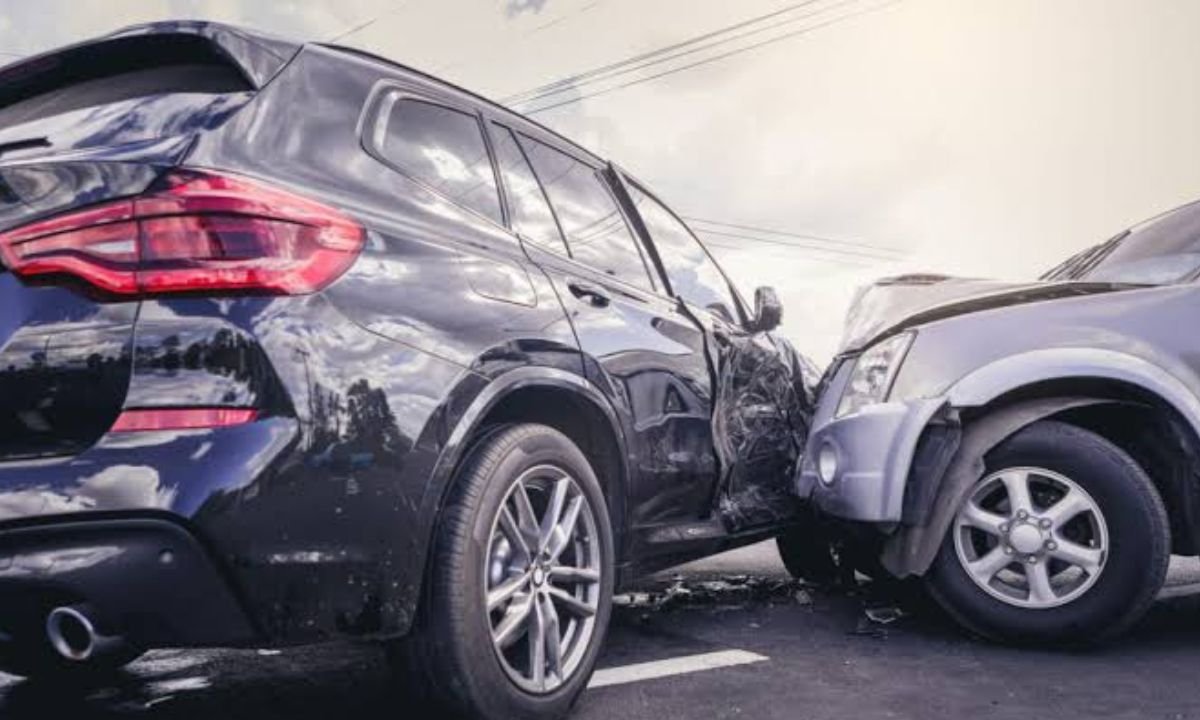
Imagine being rear-ended at a busy intersection. Your car is stopped at an angle, traffic continues moving nearby, and everyone is talking at once. First, check yourself and others for injuries. Call 911 if anyone is hurt, vehicles block traffic, a driver appears impaired, or the scene remains unsafe. If the vehicles can be moved safely, get out of active traffic, turn on hazard lights, and stay alert for approaching cars.
Remain at the scene, exchange required information, and cooperate with responding officers. Do not argue, chase a driver who leaves, or stand in a travel lane to take photographs. Effective post-crash care protects injured people and responders by emphasizing quick emergency response, safe scene management, and prompt medical attention.
Why Medical Care Should Come Early
Some injuries are not obvious immediately after impact. Adrenaline can temporarily mask pain, and symptoms may develop later that day or the next morning. Seek prompt medical evaluation for neck or back pain, worsening headaches, dizziness, confusion, numbness, weakness, chest or abdominal pain, shortness of breath, or any symptom that concerns you.
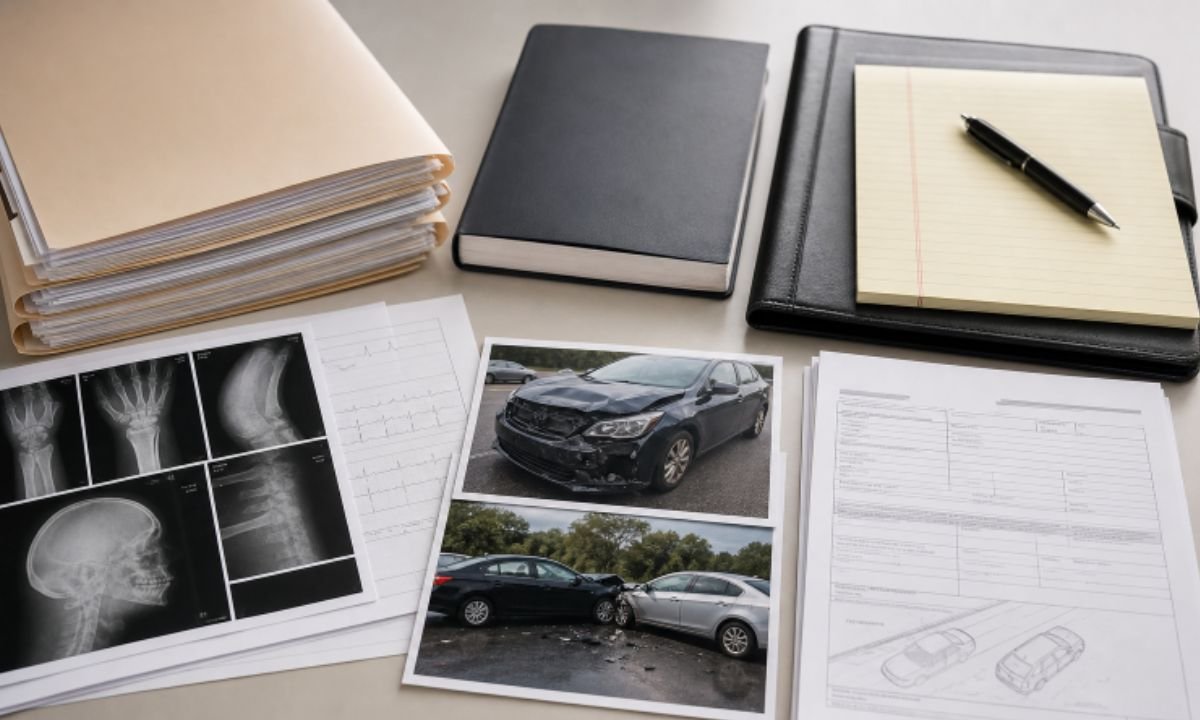
Medical care is a health decision first. Still, appointment records, diagnostic imaging, prescriptions, referrals, and treatment instructions may also create a clearer account of recovery. A driver who feels fine at the scene but wakes with sharp neck pain the next day should not assume the issue will simply disappear. Follow the clinician’s instructions and keep copies of records and bills.

How to Preserve Useful Evidence
Crash scenes change fast. Cars are towed, debris is cleared, the weather changes, and witnesses leave. If it is safe, take photographs and video from several angles. Capture vehicle damage, license plates, road signs, lane markings, traffic signals, skid marks, debris, lighting, weather, and visible injuries.
Ask witnesses for names and contact details rather than relying on memory later. Save dashcam files before they overwrite, and preserve repair estimates, medical bills, towing invoices, messages from insurers, and notes about your symptoms. A police report can be valuable, but it may not resolve every disagreement about fault. Nearby businesses or homes may have cameras, so it can be important to request relevant footage before it is deleted.
What to Know Before Calling an Insurer
Report the crash within the time required by your policy. Give accurate basic facts, but do not guess about speed, distance, injuries, or responsibility. There is a difference between reporting that a crash occurred, describing what you saw, discussing ongoing medical care, and accepting payment in exchange for signing a release.
An early offer may not reflect future treatment, missed work, rental costs, or symptoms that have not yet fully developed. Review your declarations page for deductibles, liability limits, rental coverage, medical payments coverage, and uninsured or underinsured motorist coverage. Adjusters have a legitimate role in investigating claims, but their initial evaluation may differ from your complete documented losses.
How Fault May Be Shared
Many collisions have more than one contributing factor. Speeding, following too closely, distracted driving, unsafe lane changes, poor visibility, road conditions, and vehicle maintenance problems can all affect the analysis. Photos, witness accounts, vehicle damage patterns, phone records, video, and officer observations may support or challenge each driver’s account.
Comparative fault is the general idea that responsibility can be divided among parties when more than one person contributed to a crash. The specific outcome depends on the facts and applicable law. Drivers who want to understand broader patterns can use the statewide crash data dashboard to explore filters involving severity, location, speed, distraction, and impairment.
Handling Towing, Repairs, and Vehicle Damage
Before repairs begin, photograph the vehicle inside and out, including each damaged panel, deployed airbags, odometer, personal property, and any mechanical warning lights. Keep records of who authorized the tow, where the vehicle was taken, storage charges, rental expenses, and every repair estimate.
Common issues include hidden damage found after disassembly, total-loss valuations, salvage decisions, and disputes over a rental vehicle. If fault, a possible mechanical defect, or the crash’s severity is contested, avoid authorizing disposal or irreversible repairs until you understand whether the vehicle should be preserved for inspection.
Special Situations That Need Extra Care
Extra complexity can arise with hit-and-run crashes, uninsured drivers, company vehicles, rideshare trips, rental cars, multi-vehicle collisions, crashes involving children, and collisions causing catastrophic injury or death. More than one policy may apply. For example, coverage questions may involve the driver, vehicle owner, employer, rental company, rideshare platform, passenger, contractor, or another party.
Do not assume the other driver’s policy is the only possible source of coverage. Preserve all documents, identify every involved vehicle and company, and avoid making assumptions about who was working, who owned the car, or which insurer is responsible.
When a Crash Becomes a Legal Dispute
A claim may become contested when the other driver denies fault, an insurer challenges medical treatment, multiple parties blame one another, a company vehicle is involved, evidence could be lost, or an offer does not cover documented losses. In those circumstances, a legal professional may review reports, organize evidence, communicate with insurers, assess damages, and prepare for formal proceedings if necessary.
Before choosing representation, ask clear questions about experience with similar cases, fees, communication practices, expected timelines, and potential obstacles. No one can responsibly guarantee a result, especially before the relevant evidence has been reviewed.
Common Mistakes to Avoid
- Leaving the scene without a valid reason.
- Posting crash details, injuries, or opinions about fault on social media.
- Deleting texts, photographs, videos, or dashcam footage.
- Guessing about speed, distance, or who was responsible.
- Skipping recommended follow-up medical care.
- Signing a release before understanding the full scope of losses.
- Letting bills, receipts, and insurer letters pile up without organization.
A Simple 24-Hour Crash Checklist
- Move away from danger when it is safe to do so.
- Call 911 when someone may be injured, or the scene is hazardous.
- Exchange driver, vehicle, and insurance information.
- Photograph the scene, damage, and relevant road conditions.
- Get witness contact details.
- Seek medical care and follow treatment instructions.
- Report the collision to the appropriate insurer.
- Save reports, bills, receipts, photos, and messages in one place.
- Avoid public statements about fault or claim value.
- Get informed guidance before signing important documents in a serious or disputed claim.
Final Thoughts
The first day after a Tulsa car crash can shape the weeks ahead. Focusing on safety, health, careful documentation, and measured communication can reduce confusion and help protect available options. No checklist can predict every outcome, but organized steps can make an overwhelming situation more manageable.