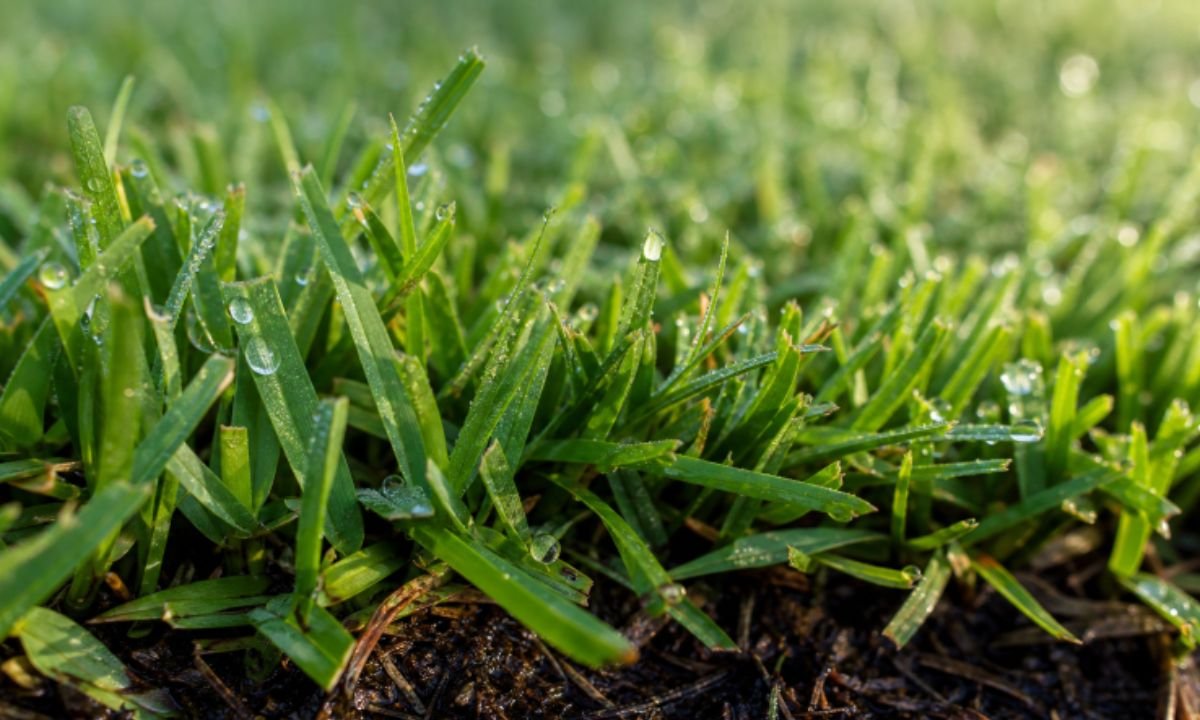
Florida lawns face a challenging mix of intense sun, sandy soil, humid conditions, heavy summer rain, and occasional dry spells. A water-wise approach does not mean letting the yard decline. It means supplying water only when plants need it, directing it where roots can use it, and adapting care as the weather changes.
Understanding the basics of irrigation & sprinkler systems can help homeowners spot uneven coverage, runoff, and scheduling habits that waste water. Small adjustments often support stronger turf, healthier planting beds, and a more manageable landscape.
Why Water-Wise Lawns Matter
More water is not automatically better for grass or landscape plants. Overwatering can keep roots shallow, encourage disease, increase weeds, and carry nutrients away in runoff. In contrast, watering according to real conditions helps roots grow deeper and makes the landscape more resilient between rain events.
Watering rules also vary among Florida communities and can change during drought conditions. Homeowners should review watering restrictions and seasonal irrigation guidance before changing a timer, especially because they may set limits on the days and hours when irrigation is allowed.
Water use is only one part of a well-planned yard. Features such as outdoor lighting should also be considered when changing planting beds, pathways, or irrigation zones so sprinkler spray does not regularly hit fixtures, wiring areas, or hardscape surfaces.
Start With a Yard Audit
A quick yard audit identifies problems before a new watering schedule creates more of them. Walk the property after irrigation and after rainfall, noting places that dry out quickly, remain soggy, or send water onto pavement.

What to check
- Compare sunny, shaded, lawn, and planting-bed areas instead of treating the whole yard as one zone.
- Look for standing water, erosion, bare turf, and runoff near driveways or sidewalks.
- Watch for sprinkler spray hitting walls, fences, pavement, and windows.
- Set out straight-sided cups during a test cycle to see whether each area receives a similar amount of water.
- Mark areas with different soil, shade, or plant needs for separate scheduling.
Set a Smarter Watering Plan
Set watering based on rainfall, soil moisture, turf condition, and seasonal weather instead of using the same timer setting all year. Early morning is generally the best time to irrigate because evaporation is lower and foliage has time to dry after watering.
Use fewer, deeper cycles rather than brief daily runs. Water should reach the active root zone without pooling or flowing away. University of Florida guidance recommends watching for stress signs, such as folded blades, a blue-gray color, or footprints that remain visible when watering a Florida lawn, before irrigating as needed.
Rain sensors and weather-based controllers can pause unnecessary cycles after enough rainfall. They still need periodic checks, since a sensor that is blocked, disconnected, or poorly positioned cannot prevent waste.
Check the Irrigation System
Most homeowners can safely inspect visible components while the system runs. Sprinkler heads should sit level with the soil, rotate or spray as intended, and distribute water evenly. Clear grass clippings, dirt, and mineral buildup from nozzles, but avoid digging around buried lines or electrical connections.
- Replace cracked, leaking, tilted, or damaged heads.
- Adjust heads that overspray pavement or structures.
- Check that valves open and close fully without visible leaks.
- Confirm each timer zone matches the plants it serves.
- Seek qualified help for backflow devices, wiring faults, persistent low pressure, or underground leaks.
Choose Plants for the Site
Plant selection affects water demand as much as sprinkler timing. Match turf and ornamental plants to the available sunlight, drainage, soil type, and mature space. In heavily shaded areas, turf may struggle regardless of watering frequency, so a shade-tolerant groundcover or mulched planting bed may be more practical.
Group plants with similar water needs together whenever possible. Native and Florida-friendly plants may require less supplemental water after they are established, but every new plant needs close monitoring while its root system develops. Avoid mixing plants that prefer consistently moist soil with those that perform better in drier conditions.
Improve Soil and Add Mulch
Compacted soil can prevent water from soaking in, leaving one area puddled while nearby roots remain dry. In planting beds, organic matter can gradually improve soil structure. A two- to three-inch mulch layer helps retain moisture, moderates soil temperature, and limits weeds that compete for water.
Keep mulch several inches away from tree trunks, shrub stems, and building walls. Piling it against stems can trap moisture and create conditions that are less healthy for plants.
Avoid Common Watering Mistakes
- Running irrigation during rain or soon after a soaking storm.
- Watering during the hottest part of the day.
- Using one schedule for turf, trees, shrubs, and flowers.
- Ignoring runoff on slopes or compacted ground.
- Mowing grass too short during hot, dry weather.
- Applying fertilizer to drought-stressed turf without addressing the water issue first.
- Assuming green grass always needs another watering cycle.
Follow a Simple Maintenance Routine
- Weekly: Look for leaks, runoff, dry spots, and clogged sprinkler heads.
- Monthly: Review timer settings, test the rain sensor, and inspect irrigation coverage.
- After storms: Check for shifted heads, damaged pipes, erosion, and standing water.
- Before dry periods: Confirm water reaches plant roots without oversaturating the soil.
- After landscape changes: Update zones to reflect new plants, shade patterns, and bed locations.
Know When to Call for Help
Minor nozzle cleaning and simple head adjustments are often manageable, but repeated leaks, electrical timer problems, unexplained pressure loss, or widespread dry areas can point to a larger issue. When water use rises without an obvious cause, a full system evaluation can identify hidden leaks, poor zone design, or coverage problems.
Final Takeaway
A water-wise Florida lawn can remain healthy without excessive irrigation. The most effective approach is to observe the yard, follow weather conditions, maintain even sprinkler coverage, choose plants that fit the site, and make seasonal adjustments. Consistent attention to these details reduces waste while supporting a better-functioning landscape.