By mid-afternoon, many students look like they’re running on low battery. Teachers repeat questions, principals see energy fade, and learning feels like pushing uphill.
Hydration plays a hidden role here. When students don’t drink enough water, their brain and body both feel it. Focus drops, mood shifts faster, and simple classwork takes more effort.
Schools that build hydration into daily routines, and place water access in smart spots, see better attention and fewer fatigue issues. For school leaders, hydration isn’t a small detail, it’s a foundation for student wellbeing and classroom performance.
Dehydration and learning, what schools need to know
What dehydration looks like in classrooms
Students rarely say they’re thirsty. Instead, they complain about headaches, feel tired early, or stop joining discussions.
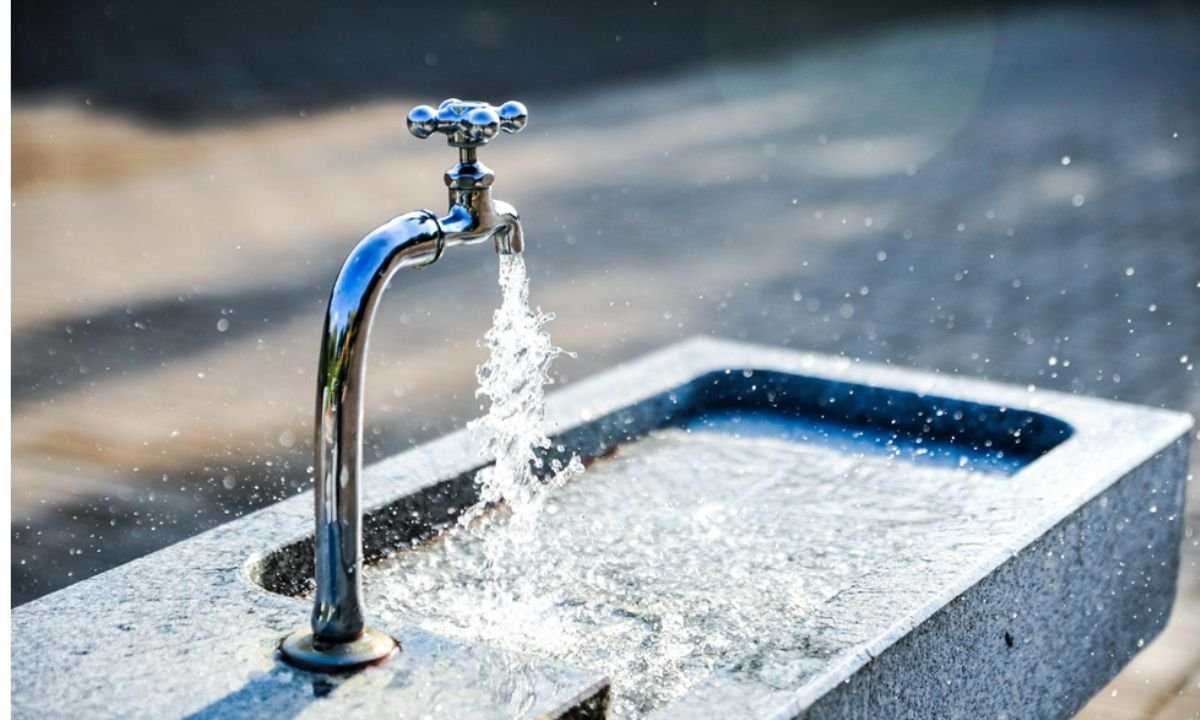
A good hydration point, like a water bubbler, placed where students already walk, helps them drink more often without disruption.
Dehydration signs include:
- Short attention span
- Early fatigue
- Headaches during lessons
- Lower participation
- Less patience when thinking gets harder
When water levels drop, thinking slows. Memory feels foggy. Reading becomes harder.
Why the brain needs water to stay sharp
The brain is mostly water. When students are low on it, messages between brain cells slow down, like a delayed text message.
Water helps carry nutrients, keeps the body cool, and supports steady brain signals. Hydrated students react faster, think clearer, and stay focused longer. When water is low, stress signals rise, which can make frustration show up faster too.
The three pillars of a strong school hydration plan
Hydration programs succeed when schools focus on access, habit, and hygiene. This helps students drink enough water without disrupting learning or movement around campus.
Access: Place water where students already move
If water is out of the way, kids skip it. Good schools put stations at natural traffic points: hallways, assembly exits, cafeterias, and sports areas.
Students drink more when stations are:
- Easy to reach
- Visible in corridors
- Fast flow, no long lines
- Built for shared daily use
A good system makes hydration automatic, not a chore.
Habit: Build hydration into the school rhythm
Reminders alone don’t stick. Routine sticks. Many strong schools add short “water resets” before long reading, tests, or sports training.Students refill bottles when it’s already break time, not during lessons. This prevents random bathroom rushes mid-class and keeps the day predictable.
Some schools add monthly hydration themes or challenges, but framed lightly, so students see it like a shared mission, not pressure.
A simple internal checklist can help staff stay aligned. This is one place where bullets help readability:
- Water points near student movement zones
- Bottle refills during breaks
- Quick water reset before long lessons
- Daily station cleaning
Used once, these points help scan, without taking over the article.
Hydration habits that improve behavior and school culture
Leadership sets the tone
When principals talk about hydration in morning notes or school talks, students treat it as part of wellbeing, not a rule.
Teachers help turn hydration into micro-habits: a quick water reset before tasks, or refill prompts near cafeteria exits. Small rituals beat random reminders every time.
Students drink more when systems look cared for. Clean, visible stations build trust. Faster flow reduces waiting lines. Backup cups help students who forget bottles.
Barriers schools can fix easily
Hydration hurdles are usually system problems, not water problems. Students forget bottles. Managers fear bathroom timing. Some stations create long lines. Water taste concerns grow when hygiene looks weak.
Solutions work when simple: keep spare cups near stations, tie hydration to breaks, clean stations visibly, test water sources, and log faults fast.
Hydrated students show:
- Fewer mood spikes
- Better cooperation
- More patience in thinking tasks
- Stronger discussion participation
This makes classrooms calmer and school days smoother.
Hygiene and safety for shared drinking stations
Daily upkeep that builds trust
Shared drinking points need cleaning to reduce germs and prevent spills. Schools that wipe taps before peak hours, especially after lunch and sports periods, see better student use.
Daily checks include confirming drainage works, the floor is dry, and tap areas are sanitized. Logging faults fast prevents disruptions.
Here is one place where a short hygiene checklist helps scanning:
- Wipe taps and touch points
- Check for spills
- Run water 5–10 seconds before peak use
- Confirm drainage is clear
- Log faults immediately
This supports hygiene without sounding corporate.
Training staff the practical way
Staff training works when its real-world focused. Facility teams and teachers only need to know what to check and how to report it. Schools that train teams well avoid unpredictable disruptions and improve student trust.
Clean stations also change how students perceive taste and safety: kids trust what looks cared for.
Tracking hydration success, without stress
Simple tracking beats heavy systems
Schools measure hydration impact through comfort trends, attendance, teacher feedback, and sports coach reports. Tracking helps leaders plan better.
What leaders should track
A short survey each term works well. Questions stay basic: Do students feel tired? Are headaches common? Are lines smooth? Are stations clean?
Other tracking points include:
- Attendance patterns
- Teacher focus feedback
- Student comfort complaints
- Sports hydration reports
This data helps justify budgets and plan improvements.
Hydration and sustainability for schools and factories
Reducing waste and stretching budgets
Refill systems cut plastic waste and reduce long-term costs. Hydration planning supports sustainability in schools and factory training zones.
Shared value for campuses and workplaces
Less bottled water means cleaner bins, lower costs, better habits, and easier facility planning. Students learn refill habits early, workers stay steady during shifts, and waste planning becomes lighter.
Conclusion
Hydration is one of the easiest ways to improve focus, behavior, and learning outcomes in schools.The key for principals and school managers is simple: place water where students already walk, connect hydration to break times, keep stations clean, and track feedback without stress.
Small steps create visible change. Review water point placement. Add a 30-second water reset before long lessons. Build a refill culture that feels natural. Make hygiene visible so trust grows on its own.
Hydrated students think clearer, join discussions more often, and manage long thinking tasks with better patience. Teachers see fewer afternoon energy dips. School days feel calmer and more predictable.
Hydration programs are quiet wins: steady, measurable, and meaningful. Start with one small change today, and the whole environment shifts for the better.
READ ALSO: Hygropack: The Smart Hydration Revolution Your Plants Have Been Waiting For