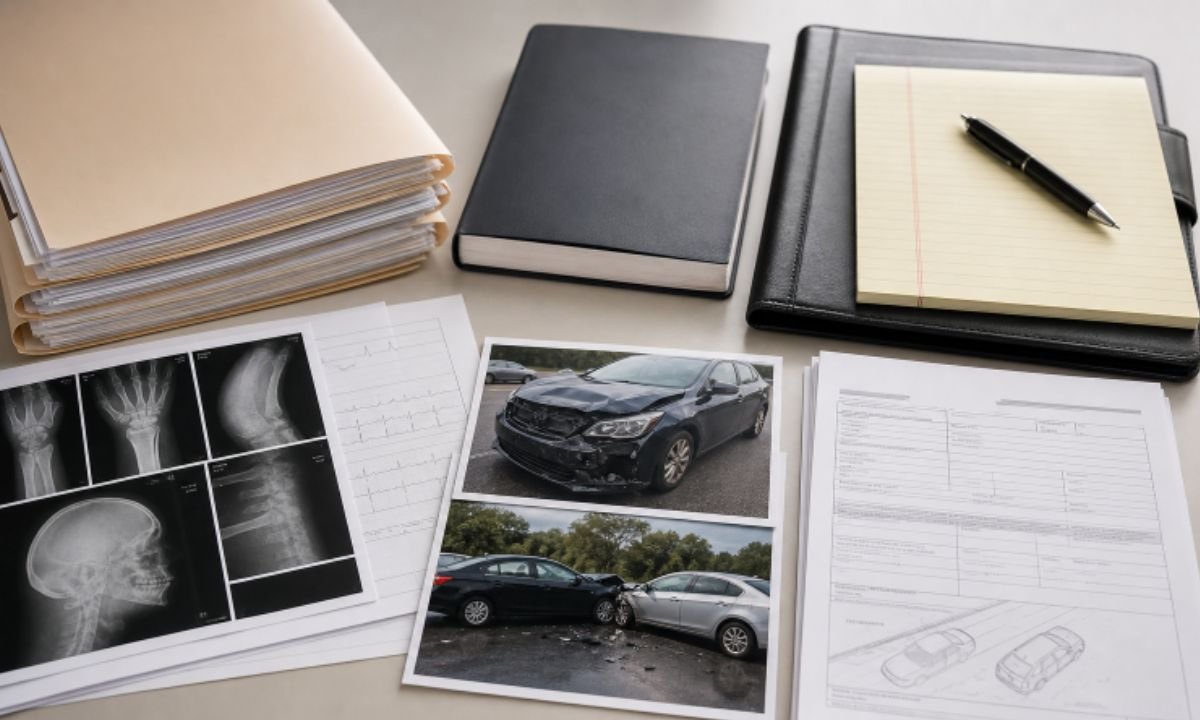
A car accident claim in Atlanta can take anywhere from a relatively short period for straightforward vehicle damage to much longer when injuries, disputed fault, multiple vehicles, or possible product defects are involved. The most useful answer is that a claim usually moves only as quickly as the evidence, treatment, repairs, and insurance review allow. In crashes involving suspected mechanical problems, an Atlanta defective vehicle accident attorney may help a person understand whether the vehicle itself, a recalled component, or poor maintenance could affect the claim.
Atlanta drivers also face conditions that can complicate a collision investigation. Heavy traffic on I-75, I-85, I-20, the Downtown Connector, and busy neighborhood corridors can mean more witnesses, cameras, vehicles, and competing accounts of what happened. Taking calm, organized steps after a crash can make the insurance process easier to follow and reduce avoidable delays.
Table of Contents
- The Short Answer
- What Happens During a Car Accident Claim
- Why the First 24 Hours Matter
- How Medical Treatment Affects Timing
- Vehicle Damage and Repair Delays
- Common Reasons Claims Take Longer
- Steps That Can Help Protect a Claim
- When a Claim May Be Ready to Settle
The Short Answer
A claim involving only repairable property damage may be resolved after the insurer confirms coverage, reviews the damage, and approves payment or repairs. An injury claim often takes longer because it may be too early to know the full extent of medical needs, time away from work, or future limitations. If fault is contested, the other driver lacks insurance, or the crash involves a commercial vehicle or alleged defect, the process can become more detailed.
The goal should not be to force a fast settlement at the expense of missing information. Instead, focus on providing accurate facts, preserving records, following medical advice, and understanding what any proposed payment or release covers.
What Happens During a Car Accident Claim
1. Reporting the Collision
The process usually begins when the crash is reported to an insurer. The company may assign a claim number, identify an adjuster, request basic information, and ask for photographs, a police report number, repair estimates, or medical documentation. Georgia’s insurance regulator advises drivers to notify police, collect identifying and insurance information, document the crash conditions, and promptly notify their insurer.
2. Investigating Fault and Coverage
The insurer may review statements, photos, video footage, vehicle damage, witness accounts, and the police report. It may also confirm who was driving, whether the policy was active, what coverage applies, and whether another person or company could share responsibility. A police report can be important evidence, but it does not automatically decide every insurance or legal issue.
3. Reviewing Losses
Property damage can include towing, storage, repairs, rental transportation, or the vehicle’s value if it is declared a total loss. An injury claim may involve medical bills, treatment records, missed work documentation, and records showing how injuries affect ordinary activities. The more records that must be collected and reviewed, the longer this stage may take.
Why the First 24 Hours Matter
The first day after a crash can shape the rest of the claim. Safety comes first. Call 911 when someone is injured, trapped, confused, or in immediate danger. If it is safe, move out of traffic, use hazard lights, and stay away from fire, fuel leaks, broken glass, or downed utility lines.
When conditions permit, photograph the vehicles, license plates, visible damage, road markings, traffic signals, debris, weather, and the surrounding intersection. Write down the date, time, location, directions of travel, and a brief factual account while details are fresh. Exchange names, contact details, insurance information, and vehicle information without arguing about blame.
Avoid posting about the collision on social media or making guesses about fault, injuries, speed, or repair costs. Early statements can be incomplete, especially when a person is shaken or has not yet seen all of the available evidence.
How Medical Treatment Affects Timing
Medical care should be based on health needs, not claim timing. Some symptoms may not be obvious immediately after a collision. The CDC explains that symptoms of mild traumatic brain injury or concussion can appear right away or may not appear for hours or days. Seek prompt medical attention for concerning symptoms such as worsening headache, confusion, dizziness, numbness, weakness, chest pain, trouble breathing, repeated vomiting, or loss of consciousness.
Keep records of appointments, prescriptions, diagnostic tests, referrals, medical bills, and work absences. These documents can help show what treatment occurred and why. Ending treatment too soon or settling before a condition is fully understood can create uncertainty about whether the payment covers the full loss.
Vehicle Damage and Repair Delays
Even a claim with no injuries can take longer when the vehicle requires a detailed inspection, parts are unavailable, damage is hidden beneath exterior panels, or there is a disagreement over repair costs. Keep copies of tow receipts, storage bills, repair estimates, photographs, rental records, and communications with the repair shop.
Do not discard damaged parts, arrange permanent repairs without documentation, or dispose of the vehicle before the insurer has had a reasonable opportunity to inspect it. This is particularly important when a brake issue, tire failure, airbag concern, steering problem, or another possible defect may have contributed to the crash.
Common Reasons Claims Take Longer
- Drivers give conflicting versions of how the crash happened.
- Witnesses, camera footage, or a police report are not immediately available.
- More than one vehicle, insurer, business, or liable party is involved.
- Medical treatment is ongoing or the prognosis remains uncertain.
- The other driver is uninsured or underinsured.
- Vehicle damage requires supplemental estimates or a total-loss valuation.
- A suspected defective part requires closer review of the vehicle and its maintenance history.
Steps That Can Help Protect a Claim
Respond to reasonable requests for information, but provide accurate facts rather than speculation. Save every email, letter, claim number, estimate, receipt, medical record, and photograph in at least two secure places. Keep a simple written timeline of symptoms, appointments, repair progress, conversations, and work missed due to the crash.
Ask questions when an insurer requests a recorded statement, proposes a settlement, or sends a release. A release may affect the ability to seek additional payment later, so it is important to understand its terms before signing. For serious injuries, disputed fault, denied claims, or suspected vehicle defects, qualified legal guidance may be appropriate.
When a Claim May Be Ready to Settle
A claim may be ready for resolution when fault and coverage have been sufficiently investigated, vehicle damage has been evaluated, and the available records support the requested losses. For injury claims, that point may not come until treatment is complete, a provider has identified future needs, or the injured person has reached a clearer point in recovery.
Conclusion
The timeline for an Atlanta car accident claim depends on the severity of the damage, the extent of any injuries, how clearly fault can be established, and how quickly the necessary evidence becomes available. Prompt reporting, thorough documentation, organized medical and repair records, and timely responses to insurer requests can help prevent avoidable delays. However, speed should never come at the expense of understanding the full extent of your losses or the terms of a settlement. If your claim involves serious injuries, disputed liability, an insurance denial, or a suspected vehicle defect, consulting a qualified attorney can help you evaluate your options and pursue a fair resolution.