A roof inspection report can feel confusing. It may list terms like “granule loss,” “lifted flashing” or “poor ventilation” without saying how serious they are. Some findings are small and easy to fix. Others point to damage that could spread if you wait. Knowing the difference helps you plan your budget and protect your home. This guide explains the most common roof inspection findings in plain language. You’ll learn what each one means and when it’s time to call in a professional.
Missing, Cracked or Curling Shingles
Shingles are your roof’s first line of defense. When they go missing or break, water can reach the layers below. Strong wind is a common cause, but age plays a big part too.
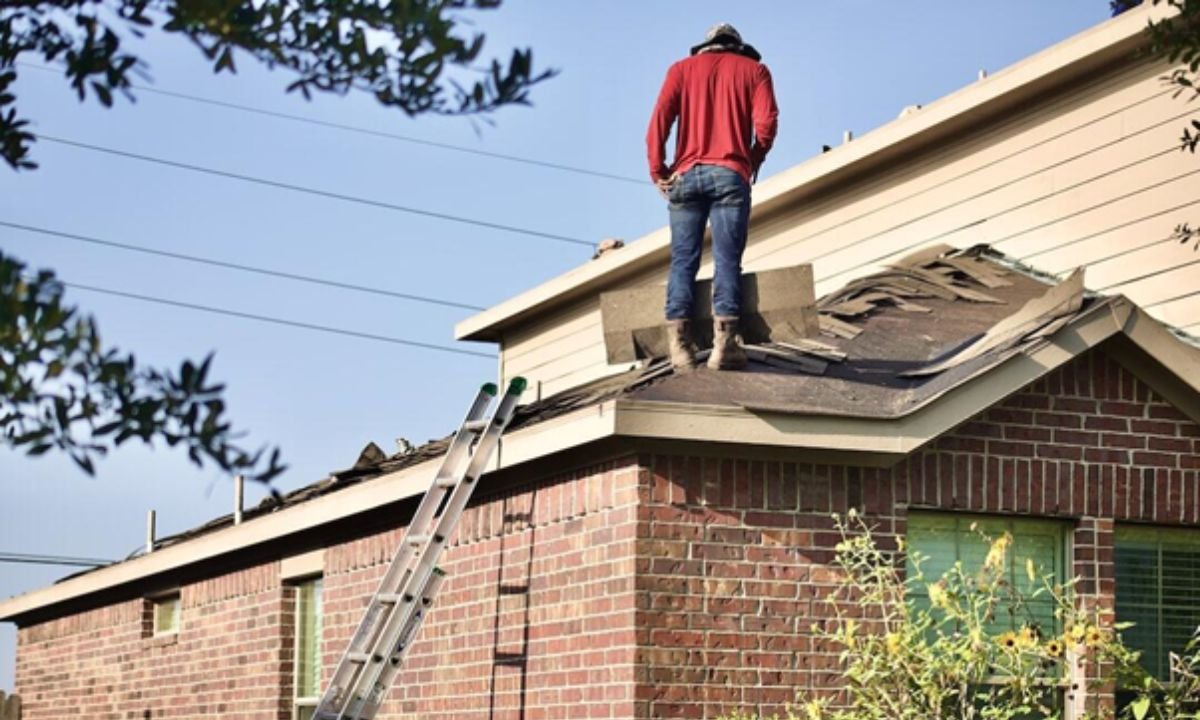
Curling or cupped shingles usually mean the roof is getting older. Heat, sun and poor attic airflow can also cause them to bend. A few damaged shingles can often be replaced. But if curling shows up across the whole roof, it may be nearing the end of its life. Missing shingles should be replaced quickly, since even one gap can let rain soak the wood beneath.
What Your Report Is Telling You
Not every finding means you need a new roof. Most reports include a mix of minor, moderate and serious issues. Start with the problems that let water in, since those cause the most damage. Cosmetic issues, like small stains on the shingles, can usually wait until later.
A good rule is to look at the big picture. A few isolated issues on a newer roof usually call for repairs. Widespread wear, sagging or repeated leaks on an older roof may mean replacement is the smarter choice. Experts such as the Sandy Springs local roofing crew can walk you through your report and explain your options. Ask for photos of each problem and a clear list of what needs to happen first.
Granule Loss on Asphalt Shingles
Asphalt shingles are coated with small granules. These protect the shingles from the sun and help them last longer. Over time, some granules wash off. You may see them in your gutters or at the bottom of downspouts.
A little granule loss is normal, especially on a new roof. Heavy loss is a different story. Bare spots let UV rays break down the shingle faster. If your inspector notes widespread granule loss, the roof may be aging quickly. It’s worth asking how many good years it has left. That answer can help you decide whether to save for a new roof now or later.
Storm Damage
Storms can leave damage that is hard to see from the ground. Hail may bruise or crack shingles without knocking them loose. That damage can lead to leaks months later.
The Insurance Institute for Business & Home Safety has a helpful guide on how to tell if it’s hail damage. It notes that granule loss alone is not always caused by hail. Inspectors look for clear signs such as:
- Random impact marks
- Soft or bruised spots
- Cracked shingles
- Dented gutters or vents
If your report confirms storm damage, contact your insurance company soon. Many policies have time limits for filing a claim. Take photos of the damage and keep a copy of the inspection report. These records can make the claims process much smoother.
Damaged or Loose Flashing
Flashing is the thin metal that seals joints on your roof. You’ll find it around chimneys, vents, skylights and walls. Its job is to guide water away from these weak points.
Over time, flashing can rust, bend or pull loose. The sealant around it may also crack. Because flashing protects the spots where leaks often start, this finding deserves quick attention. The good news is that flashing repairs are often simple and affordable when caught early. Left alone, a small gap can let water drip into walls and ceilings for months before anyone notices.
Water Stains and Hidden Leaks
Brown stains on ceilings or in the attic are a sign that water got in. Sometimes the leak is old and already fixed. Other times, it is still active. An inspector may use a moisture meter to tell the difference.
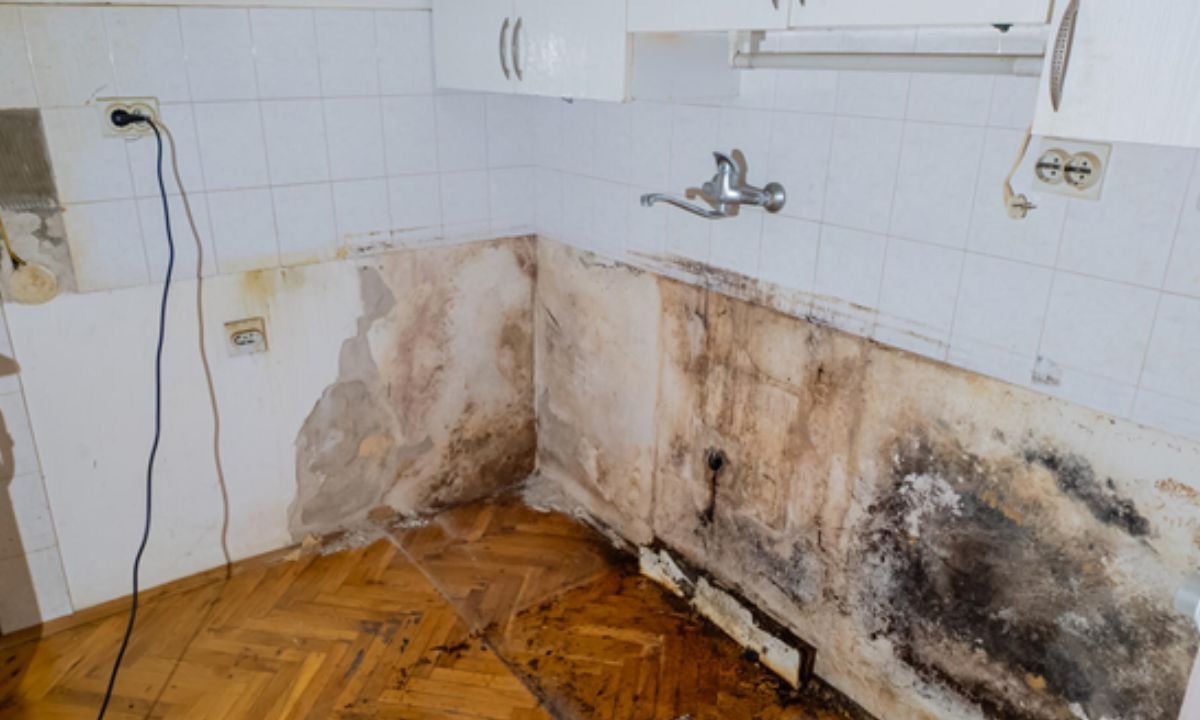
Hidden leaks are a concern because they can lead to rot and mold. The EPA’s brief guide to mold, moisture and your home says roof leaks can cause mold to grow out of sight. It advises drying wet materials within 24 to 48 hours. If your report mentions moisture, find and fix the source before it spreads. Don’t just paint over a ceiling stain, since that hides the problem without solving it.
Poor Roof Airflow
Your attic needs steady airflow to stay healthy. Without it, heat and moisture get trapped under the roof. In Georgia’s hot summers, this can bake shingles from below and shorten their life.
ENERGY STAR explains why attic ventilation matters. Good airflow pushes out hot air and removes moisture. One common mistake is insulation that blocks the soffit vents. Watch for these signs of poor ventilation:
- Very hot attic spaces
- Damp or musty smells
- Rusty nails in the attic
- Higher cooling bills
Fixing ventilation can be as simple as clearing vents or adding new ones. Better airflow can also help your air conditioner work less in summer.
Clogged Gutters and Fascia Damage
Gutters may not seem like part of the roof, but they play a key role. When they clog, water backs up under the shingles and soaks the roof edge. Over time, this can rot the fascia boards behind the gutters.
Inspectors often note sagging gutters, loose brackets or soft wood along the edge. Cleaning gutters a few times a year helps prevent these issues. Gutter guards can also cut down on how often you need to clean them. If the fascia is already rotting, it should be repaired before new gutters go up. Also make sure downspouts carry water well away from your foundation.
Conclusion: Turn Your Report Into a Plan
A roof inspection report is a tool, not a reason to panic. Once you understand what each finding means, you can fix urgent problems first and plan for the rest. Small repairs today can save you from much bigger costs later. Adams & Sons Roofing is a family-owned company that has served Georgia homeowners since 1987. If you’d like to learn more, check out more articles on our blog.