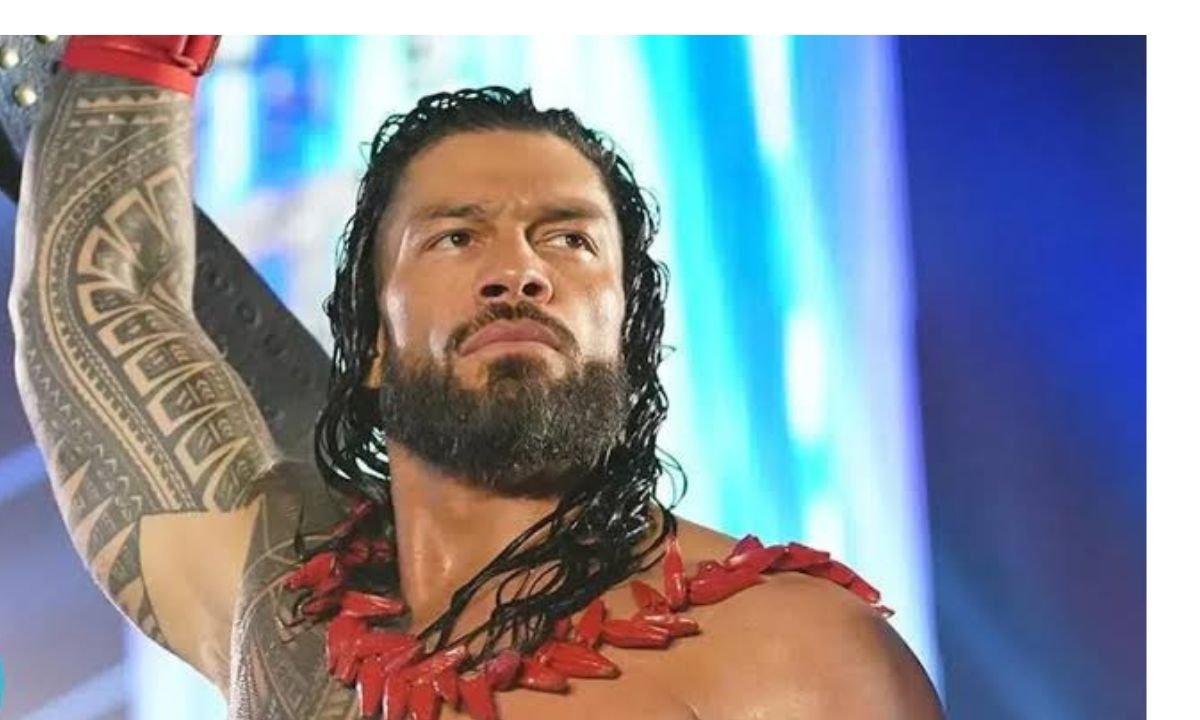
A Good Gimmick Is More Than a Costume
A wrestling gimmick is the complete package: the look, entrance, voice, attitude, behavior, motivation, and relationship with the audience. A mask, a robe, a nickname, or a theme song may attract attention, but none of those elements can carry a character alone. Looking through the gimmick table makes one point clear: memorable personas can be grounded, outrageous, serious, funny, heroic, or villainous.
The real question is not whether a concept sounds strange on paper. It is whether fans can understand it quickly and then discover more reasons to care. A wrestler who walks through the curtain with a distinctive silhouette, deliberate body language, and a clear emotional tone has already told the audience something before the bell rings.
Recognition Comes First
New viewers should be able to describe a character in one sentence. That does not mean the persona has to be shallow. It means the basic idea is clear: this is a ruthless technician, a loud celebrity, an underdog fighting upward, or an unsettling mystery. Clothing, face paint, movement, props, lighting, and music can reinforce that message.
Too many competing details can blur the picture. If fans need several weeks to understand the premise, the act may lose its chance to make a first impression. The best presentation gives viewers a simple entry point, then allows personality and storytelling to create depth.
Personality Gives the Character a Pulse
A gimmick becomes memorable through repeated behavior. A certain pause before speaking, a signature glare, a smug laugh, a nervous habit, or a specific response to victory can reveal more than a long biography. Fans remember what a wrestler does under pressure, how they treat rivals, and whether their reactions feel consistent.
That consistency does not require a performer to play themselves. It requires commitment. Research on wrestling audiences has found that fans can connect favorite stars to childhood memories and often place importance on perceived authenticity, even within clearly fictional performances.
The Crowd Helps Build the Gimmick
Wrestling is unusual because the audience is part of the performance. Cheers, boos, chants, signs, and reactions to a single line can reveal whether fans see a character differently than expected. An intended villain may become too entertaining to hate. A comic side character may earn respect by showing grit in an important match.
Promoters and performers should listen carefully without chasing every short-term reaction. Organic support is valuable because it shows that fans have found their own reason to invest. The goal is not to force a label onto the audience. It is about recognizing what the audience is responding to and building from there.
Emotion Turns Interest Into Loyalty
Recognition gets attention, but emotion creates loyalty. Fans may admire a fearless competitor, sympathize with an overlooked wrestler, enjoy a chaotic personality, or take pleasure in seeing an arrogant villain finally receive consequences. Each reaction gives a match stake beyond wins and losses.
- Admiration: Fans respect skill, courage, and resilience.
- Sympathy: Setbacks and betrayals can make a wrestler worth rallying behind.
- Excitement: Unpredictable characters make audiences anticipate what comes next.
- Humor: A funny act can relieve tension while still remaining useful in serious stories.
- Anger: A convincing antagonist gives fans someone they want to see defeated.
Catchphrases and Audience Participation
Short phrases, hand signs, poses, and entrance rituals work because they invite fans to join the act. The audience is not simply watching a character. It is repeating a line, moving with the music, or signaling allegiance to a favorite. Those moments can remain powerful long after a specific match ends.
However, participation must fit the character. A catchphrase becomes meaningful when it expresses confidence, defiance, humor, or a shared belief. If it exists only because someone wants a chant, it can feel artificial and quickly become repetitive.
Why Weird Gimmicks Sometimes Work
Unusual concepts are not automatically doomed. Professional wrestling has always included personas built around broad archetypes, exaggerated traits, and imaginative premises. A wrestling gimmick can include a performer’s persona, conduct, attire, and defining traits, which leaves room for a wide range of approaches.
The difference between an effective strange gimmick and a forgettable one is usually structure. Fans need to understand the character’s rules, desires, strengths, and weaknesses. Commitment, timing, and a strong opponent can turn an odd idea into something audiences discuss for years.
Character Growth Keeps Fans Interested
No character should repeat the exact same scene forever. Growth prevents familiarity from turning into boredom, but it must preserve the core identity that fans recognize. A hero can become more confident, a villain can reveal insecurity, a comedian can show toughness, and a mysterious figure can slowly provide answers.
The most satisfying changes follow a meaningful loss, rivalry, betrayal, or achievement. Fans are more likely to accept evolution when it feels like a consequence of what they have already watched rather than a sudden replacement of the character.
The Role of Social Media
Modern wrestlers can extend a persona beyond television and live events through short videos, interviews, livestreams, fan replies, and character-driven posts. Used well, this material adds context between shows. A threatening character can make a brief warning feel personal, while a comic act can reveal another side without repeating the same joke.
There is also a balance to maintain. Sharing too much out-of-character content can weaken the illusion if it directly contradicts the on-screen role. Digital material works best when it gives fans another doorway into the character, not when it makes every appearance feel identical.
Common Reasons a Gimmick Fails
- The concept is difficult to explain or has no clear purpose.
- The performer appears uncomfortable or uncommitted.
- The act relies on one joke, one prop, or one entrance moment.
- Creative plans change before viewers have time to connect.
- Strong crowd reactions are ignored.
- The character faces no rivalries that test its values or limitations.
A Simple Test for a Lasting Wrestling Character
- Can the character be described clearly in one sentence?
- Is the visual presentation easy to remember?
- Does the wrestler show a distinct personality in and out of matches?
- Can the act support both entertaining and serious moments?
- Do fans have a reason to cheer, boo, laugh, or worry?
- Can the character change while keeping its central identity?
- Would the idea still work without expensive production?
Conclusion: The Best Gimmicks Invite Fans to Join In
The most lasting wrestling gimmicks give fans something to recognize, feel, repeat, and discuss. A simple concept becomes a fan favorite when the performer brings it to life, and the audience finds a reason to make it their own. The strongest characters can work in the ring, on-screen, and online while maintaining a clear emotional center.