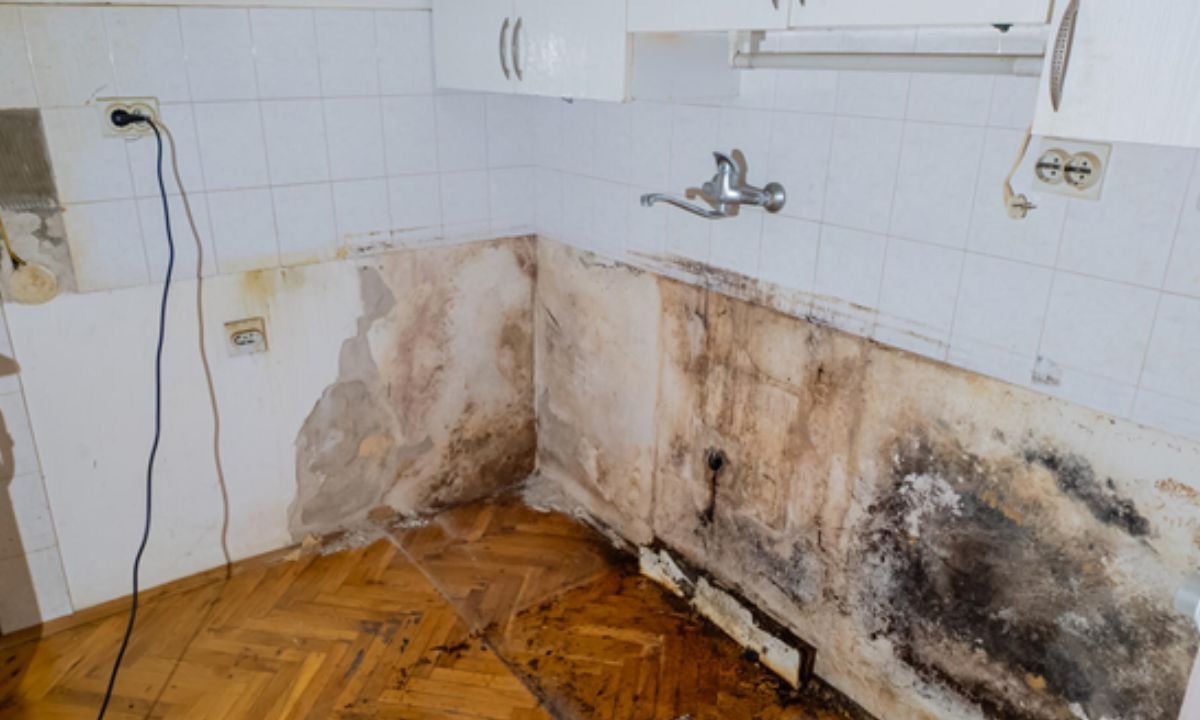
Mold can start growing in your home within just 24 hours of moisture buildup. Taking small proactive steps keeps your living space fresh and safe. By controlling humidity and keeping water out, you protect your family and your property.
Continue reading to discover everything you need to know!
Control Indoor Humidity Daily
High indoor air moisture acts like an open invitation for mold. Keep relative humidity levels low inside your living spaces every single day. Running air conditioners during hot months removes moisture from the air.
During damp seasons, run a dehumidifier in basements or windowless rooms. High humidity makes indoor surfaces damp quickly. Exhaust fans in bathrooms help pull humid air outside while you shower.
Always leave fan units running for 20 minutes after bathing. Clean air filters on your units regularly to keep airflow strong. Blocked filters cause air systems to work harder and trap extra moisture indoors.
Inspect Plumbing Fixtures Regularly
Leaky pipes hidden under sinks create dark, damp places for growth. Inspect supply lines and valve joints every few months for signs of dripping water. Small drips often go unnoticed until mold spreads under cabinets.
Check around toilet bases and water heaters for small puddles. Replace worn rubber washers and rusted fittings as soon as you find them. Address any signs of pipe sweating or pooling water immediately.
- Check under kitchen sinks
- Inspect bathroom pipe fittings
- Inspect water heater bases
- Examine toilet supply lines
- Monitor washing machine hoses
Fixing leaks quickly saves money on structural repairs down the line.
Keep House Ventilation Moving Smoothly
Air needs to flow freely through rooms to stop moisture from collecting on walls. Stagnant air allows humidity to settle in corners, behind furniture, and inside closets. Keep interior doors open to encourage continuous air movement across rooms.
Use ceiling fans on low speeds to keep air circulating during cooler months. Avoid pushing furniture right up against exterior walls. Leaving a few inches of space lets warm air reach cold wall surfaces.
Open windows on dry days to refresh indoor air. Good airflow keeps wall surfaces dry and lowers overall humidity.
Dry Wet Areas Immediately
Water spills and leaks demand fast action. Carpet and drywall absorb water like sponges when flooding occurs. Clean up spills on floors, rugs, or counters right away.
When dealing with major water accidents or plumbing failures, professional mold removal can quickly clean up the affected area before colonies start spreading. You must clean and thoroughly dry wet carpets within 24 to 48 hours. Anything left wet longer than two days offers ideal conditions for spores.
Use heavy-duty floor fans and dehumidification equipment to speed up drying times. Pull up soaked carpet pads to make sure floorboards underneath dry completely.
Inspect Exterior Drainage Systems
Water outside your home can easily get inside if your yard does not drain well. Check your roof gutters and downspouts twice a year. Remove leaves, twigs, and dirt so rainwater can flow away from your home.
Make sure downspouts move water at least five feet away from your home’s base. The soil around your home should slope down and away from the walls. Water that stays near your home can leak through basement walls over time.
- Clean roof gutters twice a year.
- Extend downspouts five feet away.
- Clear dirt and leaves from drains.
- Make sure soil slopes away from the home.
- Seal cracks in outside basement walls.
Keeping rainwater away from your home helps protect its base and walls. Check your yard after heavy rain to look for pools of water.
Fix any drainage problems before they get worse. Good drainage can help prevent costly home repairs.
Protect Closets And Storage Spaces
Closets and basements are often dark and cool. This makes them good places for damp air to build up. Do not fill these spaces with too many boxes or clothes, and leave room for air to move.
Use plastic bins with lids instead of cardboard boxes. Cardboard can soak up water and help mold grow. Keep stored items away from concrete walls.
Hang wet coats and towels in an open space until they are fully dry. Putting wet items in dark closets can cause bad smells and mold. Check your stored items every few months to find damp spots early.
Open closet doors from time to time to let fresh air in. Keep shoes and clothes dry before putting them away. These simple steps can help keep your storage spaces clean and fresh.
Monitor Window Sill Condensation
Cold outdoor air and warm indoor air can cause water drops on windows. Water can run down the glass and collect on wooden window sills. Wipe wet window sills each morning during cold months.
Double-pane windows can help keep glass warm. You can also use window film during winter. Warm glass helps stop water drops from forming.
Check the rubber seals around your windows for cracks or holes. Bad seals can let water enter your walls. Add new sealant when the old one cracks or peels.
Keep your curtains open during the day to let warm air reach the glass. Make sure air can move around your windows. These small steps can help keep your window areas dry.
Maintain HVAC Systems Regularly
Your heating and cooling systems help control moisture in your home. They also help keep the air clean. Have your heating and cooling systems checked once a year.
A trained worker can clean parts of the system and clear drain pipes. Blocked pipes can cause water to build up inside your home. Clean the drain pans often to stop water from sitting there.
Change your air filters every one to three months. Clean air ducts help air move through your home. Good airflow helps keep rooms fresh and dry.
Well-kept systems can also help lower energy costs. Listen for strange sounds from your heating or cooling system.
Check for water leaks near the unit. Fix small problems early to help avoid costly repairs.
Want More Tips And Advice?
Taking care of your house takes time and care, but keeping it dry is worth the effort. Regular checks can help protect your walls, floors, and family health.
Small steps can make a big change in your home. Make a simple care plan and follow it each week. A clean and dry home is a happy and safe place to live.
Looking for more tips and ideas? We’ve got you covered. Check out some of our other posts now.